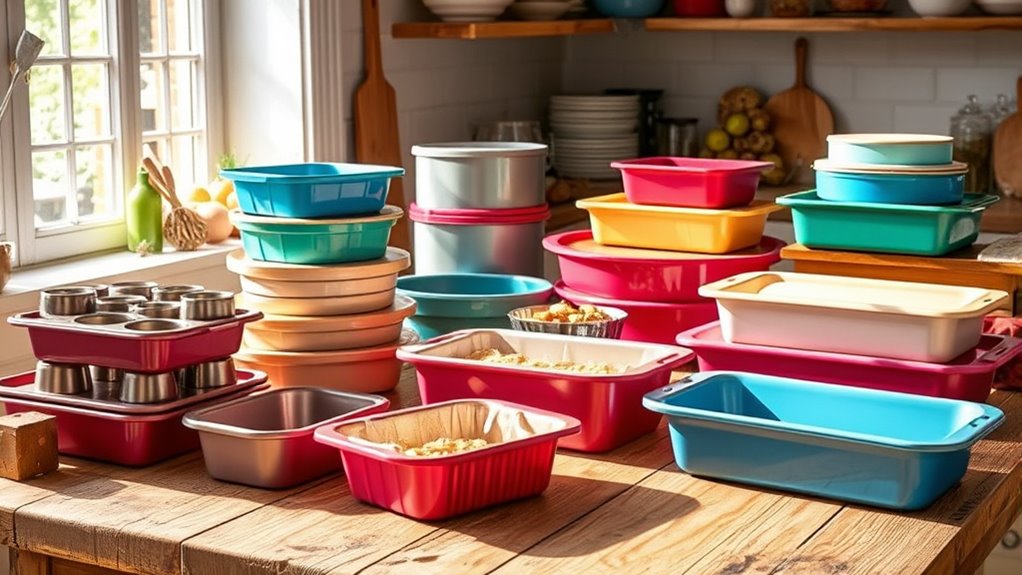
The Ultimate Guide to Ceramic Cookware

Ceramic cookware offers numerous benefits like a non-stick surface, even heat distribution, and a stylish design, making cooking easier and more enjoyable. Top brands like GreenLife, T-fal, and Cuisinart provide quality options. To care for your cookware, use gentle utensils and avoid harsh cleaning products. When comparing ceramic to materials like stainless steel or cast iron, consider your cooking style and maintenance preferences. Explore the many tips and tricks to maximize your ceramic cooking experience!
Key Takeaways
- Ceramic cookware features non-stick surfaces that reduce oil usage and simplify cleanup, making cooking healthier and more efficient.
- Top brands like GreenLife, T-fal, and Cuisinart offer durable options and attractive designs for every kitchen.
- Proper care includes using non-abrasive utensils and hand washing with mild soap to extend the life of ceramic cookware.
- Ceramic pans distribute heat evenly, preventing hot spots and improving cooking results compared to other materials like stainless steel or cast iron.
- Choose ceramic cookware for its eco-friendliness and absence of harmful chemicals, ensuring safe cooking for your family.
Benefits of Ceramic Cookware
When you switch to ceramic cookware, you’ll quickly discover several advantages that enhance your cooking experience.
First, ceramic cookware typically offers a non-stick surface, allowing you to cook with less oil and making cleanup a breeze. You won’t have to worry about food sticking or scratching your pans.
Additionally, ceramic distributes heat evenly, ensuring your meals cook thoroughly without hot spots. It’s also a safer choice, as it’s free from harmful chemicals like PFOA and PTFE found in some non-stick options, making it a preferred alternative due to its healthier safety profile.
Ceramic cookware ensures even heat distribution, promoting thorough cooking while avoiding harmful chemicals found in some non-stick options.
Plus, their vibrant colors and attractive designs can brighten up your kitchen. Many ceramic cookware sets also feature durable materials that increase their longevity, making them a smart investment for your kitchen.
With ceramic cookware, you’ll enjoy healthier meals, easier maintenance, and a more aesthetically pleasing cooking environment.
Top Brands in Ceramic Cookware
If you’re looking to invest in ceramic cookware, it’s vital to know which brands stand out in the market.
These brands are renowned for their quality, performance, and customer satisfaction. Here are some top names to take into account:
- GreenLife: Known for its eco-friendly materials and vibrant colors, perfect for the modern kitchen.
- T-fal: Offers a variety of ceramic options and emphasizes durability and non-stick performance.
- Cuisinart: A trusted name that combines style with professional-grade cooking capabilities. Additionally, selecting cookware based on quality materials can greatly enhance both the durability and efficiency of your kitchen essentials.
- Gotham Steel: Features innovative designs with impressive non-stick technology, making cooking and cleanup easier.
Choosing any of these brands will guarantee you get reliable, high-quality ceramic cookware that enhances your culinary experience. Additionally, investing in high-quality materials is essential for ensuring the longevity and performance of your cookware.
Caring for Your Ceramic Cookware
Caring for your ceramic cookware is essential to maintain its performance and longevity.
Always use utensils made of wood, silicone, or plastic to prevent scratches on the surface. When cleaning, avoid abrasive sponges; instead, opt for soft cloths or sponges with mild dish soap.
It’s best to hand wash your ceramic pieces, as harsh detergents or dishwashers can damage their finish. If food is stuck, soak the cookware in warm, soapy water rather than scraping.
Additionally, avoid extreme temperature changes, like placing hot cookware directly in cold water, as this can cause cracking.
Store your ceramic items carefully, placing felt pads between stacked pieces to avoid chipping. Proper cleaning techniques are crucial in maintaining the appearance and longevity of your ceramic cookware.
With the right care, your ceramic cookware can last for many years!
Comparison With Other Cookware Materials
Maintaining your ceramic cookware is just one part of understanding your options in the kitchen.
When comparing ceramic with other materials, you’ll find unique pros and cons that can impact your cooking experience. Here’s how they stack up:
- Stainless Steel: Durable and non-reactive, but tends to stick without proper seasoning. Additionally, stainless steel cookware is known for its ease of cleaning, making it a popular choice for chefs.
- Cast Iron: Excellent heat retention, but heavy and requires seasoning.
- Non-Stick: Convenient for easy cleanup, but can wear out and isn’t always safe under high heat.
- Copper: Great thermal conductivity, yet often needs polishing and can be pricey.
Choosing the best option depends on your cooking style, preferences, and how much maintenance you’re willing to commit to each material. Additionally, the choice between stainless steel and ceramic cookware can influence factors such as sharpness retention and overall cooking efficiency.
Tips for Cooking With Ceramic Cookware

Cooking with ceramic cookware can elevate your culinary experience, but there are some essential tips to keep in mind.
First, always preheat your ceramic pans on low to medium heat. High temperatures can damage the nonstick coating. Use wooden or silicone utensils to avoid scratches; metal tools can scratch the surface and reduce lifespan.
Always preheat ceramic pans on low to medium heat, and use wooden or silicone utensils to preserve their nonstick coating.
When it comes to cleaning, avoid harsh chemicals; a simple mixture of baking soda and water works wonders. Additionally, let the cookware cool before washing to prevent warping.
If you’re cooking proteins, a small amount of oil can help improve nonstick performance.
Finally, always check the manufacturer’s guidelines for care instructions, ensuring your ceramic cookware remains in great condition for years to come.
Questions
Is Ceramic Cookware Safe for Use on Induction Cooktops?
Yes, ceramic cookware can be safe for induction cooktops, but it needs a magnetic base. Check the manufacturer’s specifications to confirm compatibility, or you might find yourself in a frustrating cooking situation if it doesn’t work.
Can Ceramic Cookware Be Used in the Oven?
Yes, ceramic cookware can usually be used in the oven, but you should check the manufacturer’s guidelines first. It’s important to verify your specific pieces are oven-safe to avoid any damage or safety issues.
What Is the Lifespan of Ceramic Cookware?
The lifespan of ceramic cookware typically ranges from five to ten years, depending on usage and care. If you avoid high heat and use non-metal utensils, you’ll extend its longevity considerably.
Are There Any Health Concerns With Ceramic Coatings?
Sure, your ceramic-coated pots won’t turn you into a mutant ninja turtle! Generally, they’re safe, but beware of cheap options. They might release questionable chemicals when heated. Stick to reputable brands, and you’re golden!
Is Ceramic Cookware Dishwasher Safe?
Yes, most ceramic cookware is dishwasher safe, but it’s best to check the manufacturer’s instructions. Hand washing can help preserve the cookware’s integrity and longevity, ensuring it stays in great condition for longer use.