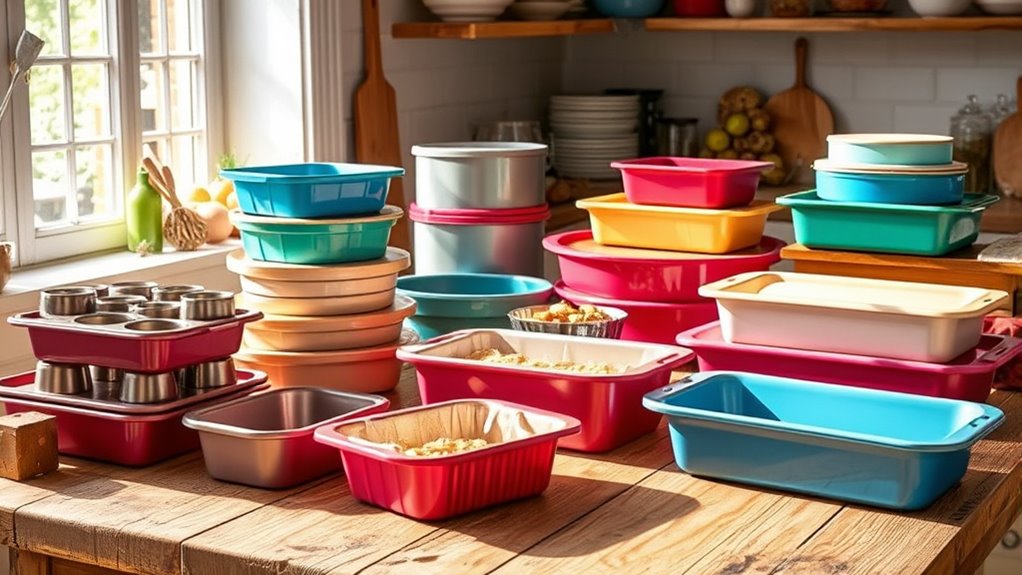
Cookware Buying Mistakes to Avoid

When buying cookware, avoid common mistakes that can affect your cooking. Don’t ignore your cooking style; it dictates the material you’ll need. Choosing the wrong size can lead to uneven cooking, while neglecting versatility can limit your creativity. Skimping on quality often means more replacements and poorer performance. Finally, be cautious of trendy designs that may not last. To make the best choices, consider essential factors for long-term satisfaction and efficiency.
Key Takeaways
- Don’t prioritize trendy designs over functionality; focus on quality and performance to ensure lasting use.
- Avoid buying oversized cookware that leads to uneven cooking and wasted heat; select appropriate sizes for your meals.
- Steer clear of low-quality materials that can leach toxins into your food; always consider safety and health implications.
- Neglecting maintenance requirements can shorten cookware lifespan; align your choices with your cooking habits and cleaning preferences.
- Invest in versatile cookware to reduce clutter and enhance efficiency, rather than settling for single-use items that take up space.
Ignoring Your Cooking Style
How can you choose the right cookware if you don’t consider your cooking style? Knowing how you cook is essential in selecting the right pots and pans.
Choosing the right cookware starts with understanding your cooking style—it’s crucial for selecting the perfect pots and pans.
If you love slow-cooking stews, you’ll want heavy-duty, non-reactive materials that hold heat well. On the other hand, if you’re a stir-fry enthusiast, you might need quick-heating, lightweight options for high temperatures. High-quality cookware can also enhance your cooking experience by providing better heat distribution.
Don’t forget about baking; your choices should reflect what you typically create.
Also, think about ease of use and maintenance. If you exclusively make one-pot meals, a versatile, easy-to-clean set could save you time. Additionally, it’s important to select cookware that matches your type of stove, as different materials affect heat conductivity and cooking performance.
Overlooking Material Suitability
Choosing the right cookware also means considering the material it’s made from. Each type has its pros and cons that can greatly impact your cooking experience. For instance, do you plan to use it on high heat, or is non-stick more your style? Understanding the right material can make all the difference. Cast iron’s superior heat retention and natural non-stick properties make it great for specific cooking styles. High-quality materials play a crucial role in enhancing both durability and performance.
| Material | Best Use |
|---|---|
| Stainless Steel | Searing, browning |
| Cast Iron | Slow-cooking, baking |
| Non-stick | Eggs, delicate foods |
| Copper | Precise temperature control |
| Aluminum | Even heat distribution |
Don’t overlook how these materials affect your cooking method and the flavors of your dishes. Pick wisely, and you’ll find cooking more enjoyable.
Choosing the Wrong Size
Getting the size of your cookware right is essential for effective cooking. If you choose pots and pans that are too small, you’ll end up overcrowding your ingredients, leading to uneven cooking. On the other hand, oversized cookware can waste heat and lead to longer cooking times. It might also mean using more energy than necessary.
Consider the meals you typically make and the number of servings you need. For instance, a large pot is fantastic for soups or stews, while a smaller skillet is better for quick breakfasts. Using compact cookware sets can also help maximize your limited kitchen space.
Always think about your kitchen storage too; bulky cookware can take up precious space. Matching your cookware size to your cooking habits guarantees you’ll enjoy every meal without hassle. Investing in quality materials can further enhance your cooking experience by ensuring durability and performance over time.
Neglecting Versatility
When you’re shopping for cookware, don’t overlook the importance of versatility.
Choosing pieces that serve multiple functions can save you space and money.
Plus, the right size can make your cookware even more adaptable in the kitchen.
Multi-Functionality Is Key
Many home cooks underestimate the importance of multi-functionality in their cookware. When you invest in pots and pans that can handle multiple tasks, you’re not just saving space; you’re also maximizing your cooking efficiency.
Imagine a skillet that can sauté, fry, and bake—this versatility allows you to experiment with different cooking methods without needing a cluttered cabinet. By choosing cookware that serves more than one purpose, you can whip up a variety of meals, from hearty stir-fries to delicious frittatas, without feeling restricted. Additionally, using time-saving kitchen gadgets can further enhance your cooking process by making meal preparation quicker and easier.
Plus, it often saves you money in the long run, as you won’t need to buy separate pieces for each cooking method. Embrace multi-functionality, and elevate your culinary game with fewer, smarter choices! Investing in versatile utensils can also enhance your cooking experience by allowing you to tackle a wider range of recipes with ease.
Size Matters for Versatility
The versatility of your cookware isn’t just about what it can do, but also about the size you choose. If you’re selecting pots and pans, think about how much food you typically prepare.
A larger pot might seem ideal, but if you rarely cook in bulk, it could take up unnecessary space and be harder to clean. On the other hand, having a smaller skillet or saucepan limits your cooking options when guests are over. Utilizing essential small appliances can further enhance your cooking experience and versatility in the kitchen.
It’s essential to have a range of sizes that allow you to adapt to different recipes. By choosing cookware that fits your cooking habits and kitchen space, you’ll maximize versatility and make meal prep more enjoyable. For instance, investing in multipurpose bakeware can enhance your cooking experience as you explore various dishes.
Don’t underestimate size – it truly matters!
Skimping on Quality

When you’re shopping for cookware, it can be tempting to go for the cheapest options, but that can backfire.
Skimping on quality often leads to durability issues, poor cooking performance, and potential safety hazards.
Investing in good cookware not only enhances your cooking results but also guarantees you’re cooking with safe materials.
Long-Term Durability Matters
While it might be tempting to save money by opting for cheaper cookware, doing so can lead to costly mistakes in the long run.
Low-quality options often wear out quickly, requiring frequent replacements that add up over time. You might find that those budget pans warp, scratch, or lose their nonstick properties long before you’ve fully enjoyed them.
Investing in durable cookware means you’ll spend less over time and guarantee you’re using reliable tools in your kitchen. Plus, well-made options often come with warranties, offering peace of mind.
Remember, it’s better to invest in fewer high-quality pieces than to keep replacing low-cost alternatives that just don’t stand the test of time.
Durable cookware will enhance your cooking experience and save you money.
Performance Impacts Cooking Results
If you’re cutting corners on cookware quality, you’re likely compromising your cooking results.
Cheap pots and pans can lead to uneven heating, hot spots, and sticking issues, which can ruin many meals.
When you invest in quality cookware, you guarantee better heat retention and distribution, allowing your dishes to cook evenly. This can make a noticeable difference in flavors and textures.
You want your food to sear properly, simmer evenly, and maintain its integrity, which subpar cookware often can’t deliver.
By prioritizing performance over price, you’re setting yourself up for culinary success.
In the long run, the better results from high-quality cookware can outweigh the initial costs, making it a worthwhile investment for any cooking enthusiast.
Safety and Health Concerns
Cutting corners on cookware doesn’t just affect your cooking results; it can also pose serious safety and health risks.
When you opt for low-quality materials, you might unknowingly introduce harmful chemicals into your food. Cookware made from unsafe materials can leach toxins, especially when heated.
For instance, non-stick coatings that scratch easily can release hazardous substances into your meals. Additionally, cheap cookware often doesn’t distribute heat evenly, potentially leading to food that’s unevenly cooked and unsafe to eat.
Investing in high-quality, certified cookware guarantees that you’re not only enhancing your culinary experience but also prioritizing your family’s health.
Not Considering Maintenance
When you’re shopping for cookware, overlooking maintenance can lead to frustration down the road.
You might be drawn to shiny, non-stick pans, but if they require special care, they could quickly become a hassle.
Consider how much time you’re willing to spend on cleaning and upkeep. Materials like cast iron and stainless steel offer durability but may require more effort to maintain their appearance.
Think about your cleaning commitment; durable materials might need more TLC to keep looking good.
On the other hand, non-stick options are easier to clean but can have a shorter lifespan.
Be realistic about your cooking habits and lifestyle. If you don’t have time for extensive care, choosing cookware with minimal maintenance needs can save you headaches in the long run and keep your cooking enjoyable.
Falling for Trendy Designs
While it’s tempting to buy cookware that showcases the latest trendy designs, doing so can lead to regret. Trends can quickly fade, leaving you with pieces that look outdated. Instead, focus on functionality and durability over style.
| Trendy Design | Pros | Cons |
|---|---|---|
| Copper Finish | Beautiful appearance | Requires high maintenance |
| Metallic Colors | Eye-catching options | Scratch easily |
| Unique Shapes | Stand out in your kitchen | Hard to store/access |
| Bright Patterns | Fun and vibrant | Can clash with decor |
| Eco-Friendly | Great for the environment | Limited options |
Invest in timeless, high-quality cookware that meets your cooking needs rather than succumbing to fleeting trends. Your kitchen deserves it.
Questions
What Brand of Cookware Is the Most Reputable?
While ranges like All-Clad and Le Creuset dazzled you with their high quality, brands like Tefal and Cuisinart might just fit your budget better. You know it’s important to balance reputation with affordability, right?
How Often Should I Replace My Cookware?
You should replace your cookware every 5 to 10 years, depending on use and wear. If you notice scratches, warped surfaces, or non-stick coating peeling, it’s time to upgrade for better cooking performance.
Are Non-Stick Pans Safe for High Heat Cooking?
When it comes to non-stick pans, you should tread carefully. They’re generally safe for low to medium heat, but high temperatures can break down the coating, releasing harmful fumes and affecting your food’s quality.
What Is the Best Way to Clean Cast Iron Cookware?
The best way to clean cast iron cookware is to rinse it with hot water, scrub off residue with a non-metal brush or sponge, and dry it thoroughly. Occasionally, apply a light coat of oil for seasoning.
Can I Use Metal Utensils on All Cookware Types?
Using metal utensils can scratch non-stick or coated cookware, leaving it looking worn and shabby. For stainless steel or cast iron, however, they’re fine. Just imagine that perfect sizzle while preserving your pots’ integrity!