How to Maintain Knife Sharpness Longer

To maintain your knife sharpness longer, store your knives properly in a block or on a magnetic strip, avoiding drawer clutter that can dull blades. Use wood or bamboo cutting boards, and always cut safely to prevent chipping. Clean knives by hand with warm, soapy water, and dry them immediately to avoid rust. Regular honing keeps your edge sharp. If you want to know about sharpening techniques and signs your knife needs attention, keep going.
Key Takeaways
- Store knives properly using blocks, magnetic strips, or guards to prevent dulling and damage.
- Use wood or bamboo cutting boards to maintain knife sharpness; avoid hard surfaces that quickly dull blades.
- Hand wash and dry knives immediately to prevent rust and corrosion; never soak them in water.
- Hone knives regularly to enhance precision and maintain a sharp edge for cleaner cuts.
- Sharpen knives based on usage; daily-use knives need more frequent sharpening than those used less often.
Understanding Knife Steel and Edge Types
When it comes to keeping your knives sharp, understanding the steel and edge types is crucial. Different steels, like high-carbon and stainless, impact how well your knife holds an edge. High-carbon steel offers superior sharpness but requires more maintenance to prevent rusting. Stainless steel, on the other hand, is more resistant to corrosion but may not hold an edge as long.
Additionally, the edge type affects performance. A plain edge is versatile for slicing, while a serrated edge excels at cutting through tougher materials, like bread. Chef’s knives are often made with high-carbon steel, making them a staple in any beginner’s kitchen.
Knowing your knife’s steel and edge type helps you choose the right sharpening method. Regular maintenance tailored to these characteristics guarantees your knife remains efficient and sharp, prolonging its life and utility in the kitchen. Proper knife care techniques can significantly extend the lifespan of your blades and enhance their performance.
Proper Knife Storage Techniques
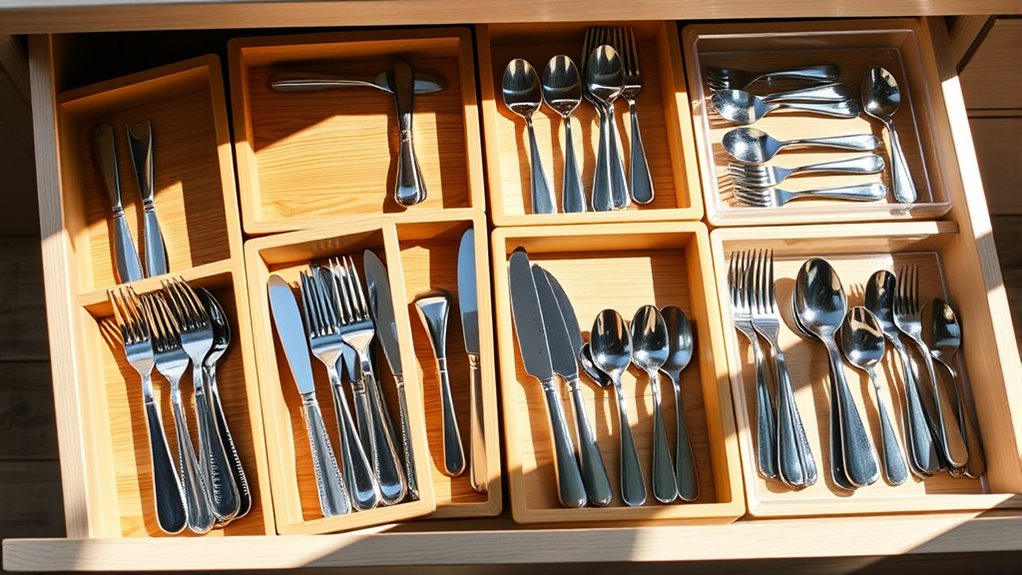
Although you might be tempted to toss your knives into a drawer, proper storage is essential for maintaining their sharpness and overall longevity. Instead, consider using a knife block or magnetic strip, which keeps your blades protected and easily accessible. If you choose a drawer, invest in knife guards or sheaths to prevent them from clanging against each other, which can dull the edges. Avoid storing knives loose with other utensils, as the contact can cause nicks and chips. Additionally, always keep your knives dry to prevent rusting and corrosion. Proper storage not only prolongs the life of your knives but also makes cooking safer and more enjoyable, as you’ll always have your sharp tools ready when you need them. Furthermore, utilizing magnetic strips is a space-saving solution that can add a modern touch to your kitchen’s design. Moreover, selecting the right storage method can significantly influence kitchen aesthetics, making it an essential consideration for any cooking space.
Choosing the Right Cutting Board
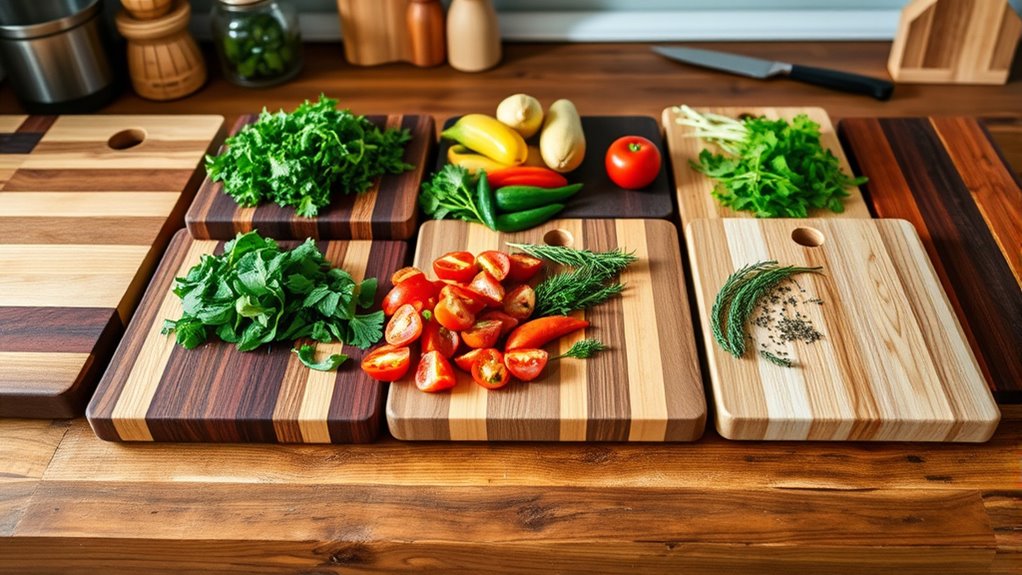
When you’re choosing a cutting board, the material really matters for your knife’s longevity. Different surfaces can impact how well your blade stays sharp, so consider the texture and how often you’ll maintain it. Making the right choice can keep your knives in top shape for much longer. For instance, using a wood cutting board can help preserve the sharpness of your knife compared to harder surfaces. Choosing a softer surface can minimize wear and tear on the blade, ultimately extending its lifespan.
Material Matters
Choosing the right cutting board plays a crucial role in maintaining your knife’s sharpness. The material you select can make a significant difference in how often you need to sharpen your knives.
Here are some options to reflect upon:
- Wood: Gentle on blades, offering durability and beauty.
- Bamboo: Eco-friendly, lightweight, with a natural resistance to bacteria.
- Plastic: Affordable and easy to clean, though it may dull knives faster.
- Rubber: Soft and forgiving, providing a safe surface for your knife.
- Glass/Marble: Elegant but can quickly damage your blade edges.
Surface Texture
The choice of cutting board material is just the beginning; surface texture plays an essential role in how well your knives hold their sharpness.
Smooth surfaces, like glass or ceramic, may look sleek, but they can quickly dull your blades. Instead, consider wood or bamboo cutting boards, which offer a bit of give. This flexibility helps absorb some impact when cutting, reducing wear on your knife’s edge.
Alternatively, plastic boards are also an option, but they can be harder on knives if they’re too rigid or textured. Choose a cutting surface that balances durability with a gentler touch on your knife, ensuring it remains sharp for longer.
Taking this into account can save you time and money on sharpening.
Maintenance Frequency
Regularly inspecting and maintaining your cutting board can greatly extend the life of your knives.
Choosing the right cutting board and caring for it properly is essential. Here’s what you should consider for your maintenance routine:
- Choose wood or bamboo: They’re gentle on your knife blades and reduce dulling. Proper cleaning methods for different materials can also aid in knife longevity.
- Avoid glass or plastic: These surfaces can cause chipping and wear on your knives.
- Keep it clean: Regularly wash and sanitize to prevent bacteria buildup.
- Oil it often: Food-safe oils help prevent cracking and warping, extending the board’s life.
- Check for damage: Inspect for cuts or grooves that can harbor bacteria or dull your knives.
Additionally, proper cleaning and sanitizing techniques can help ensure kitchen hygiene in your cutting board maintenance.
Correct Cutting Techniques

Mastering correct cutting techniques can greatly extend the life of your knife’s sharpness.
First, always use a cutting board—preferably made of wood or plastic—to avoid dulling your blade on hard surfaces. When you slice, use a smooth, rocking motion rather than pressing down hard. This reduces friction and helps maintain the edge.
Keep your fingers tucked in and use your knuckles as a guide to prevent accidents and guarantee even cuts. Avoid twisting your knife while cutting; it can chip the blade.
Finally, be mindful of your speed—rushing can lead to accidents and improper technique. By focusing on these practices, you’ll not only improve your skills but also protect your knife’s sharpness for longer-lasting performance.
Cleaning and Drying Your Knives
Cleaning and drying your knives properly is essential for keeping them sharp.
You’ll want to wash them carefully to avoid dulling the blade and make certain they dry without water spots or rust.
Let’s explore the best techniques for both washing and drying your knives effectively.
Proper Washing Techniques
A knife’s longevity and performance greatly depend on how you wash it. To keep your knife in top shape, follow these proper washing techniques that not only protect its edge but also enhance your cooking experience:
- Always hand wash your knife with warm, soapy water.
- Avoid abrasive sponges that can scratch the blade.
- Don’t let your knives soak in water; it could cause damage.
- Rinse thoroughly to remove any soap residue, as it can dull the blade over time.
- Dry immediately with a soft cloth to prevent rust or corrosion.
Effective Drying Methods
Sometimes, people overlook the importance of drying their knives properly after washing. However, moisture can lead to rust and corrosion, which can diminish your knife’s sharpness over time.
To effectively dry your knives, use a clean, dry kitchen towel. Make sure to wipe both the blade and the handle thoroughly. Avoid air drying, as this can allow water spots to form and damage the finish.
If you’re in a hurry, gently blot the blade dry instead of dragging it across the towel, which could dull the edge. For added protection, consider applying a light coat of mineral oil after drying.
Regular Honing Practices
While many might overlook regular honing, it’s vital for keeping your knife’s edge sharp and efficient. By incorporating honing into your routine, you’ll extend the life of your knives and guarantee they perform at their best.
Here are some reasons why honing matters:
- Enhances Precision: Keeps your cuts clean and accurate.
- Reduces Frustration: No more struggling with dull knives.
- Increases Safety: A sharp knife is less likely to slip.
- Saves Money: Less frequent replacements or professional sharpening.
- Boosts Confidence: You’ll feel empowered in the kitchen.
Make time for honing in your kitchen tasks. Just a quick pass on the honing rod can make all the difference, helping you enjoy cooking even more!
When and How to Sharpen Your Knives
Knowing when and how to sharpen your knives is essential for maintaining their performance and longevity.
Start by identifying the right tools; a whetstone, honing rod, or knife sharpener can work well. Verify you’ve got a stable surface and the right angle—typically around 15 to 20 degrees for most kitchen knives.
Use consistent pressure while dragging the blade across the sharpening surface, alternating sides to maintain balance.
It’s a good idea to sharpen lighter use knives every few months, while daily tasks might require sharpening more frequently.
Signs Your Knife Needs Sharpening
How can you tell when your knife needs sharpening? Look out for these signs that indicate it’s time to give your trusty blade some TLC:
- You’re straining while slicing through food.
- The knife slips instead of cutting cleanly.
- You notice jagged edges instead of a smooth cut.
- The blade feels dull to the touch, lacking that sharp resonance.
- You start to favor a different knife because the original feels frustrating.
When you recognize these signs, don’t ignore them! A dull knife can turn cooking into a chore and compromise safety.
Keeping your knives sharp guarantees not just ease of use but also enhances your culinary skills. Don’t let dullness hold you back in the kitchen!
Questions
How Often Should I Replace My Knives?
You should replace your knives every 5 to 10 years, depending on usage and maintenance. If they’re chipped, rusted, or dull beyond repair, it’s time to invest in new ones for better performance.
Can I Use a Dishwasher for My Knives?
No, you shouldn’t use a dishwasher for your knives. The harsh environment can dull the blades and cause damage. It’s best to hand wash them with mild soap and dry immediately for ideal care.
What Types of Rock or Concrete Damage Knives?
You wouldn’t want your knives battling boulders! Rocks like granite or concrete can chip the blade, ruining its edge. Always avoid cutting on these surfaces, as they’ll quickly dull your prized kitchen tools.
Are Expensive Knives Worth the Investment?
Yes, expensive knives are often worth the investment. They typically offer better materials, craftsmanship, and durability, enhancing your cooking experience. Plus, their longevity can save you money in the long run.
How Can I Tell if My Knife Is High Quality?
Think of a knife like a trusty steed; if it’s well-balanced, made from high-quality materials like a solid steel blade, and feels good in your hand, you’ve likely got yourself a high-quality knife.