How to Set Up a Beginner’s Knife Set

To set up a beginner’s knife set, start with essential knives like a chef knife, paring knife, and bread knife. Focus on quality by choosing high-carbon stainless steel for durability. Pay attention to the knife’s weight and balance for better control. Selecting a comfortable handle is vital, too. Store your knives safely using a block or magnetic strip to prevent damage. Proper maintenance will keep them sharp and effective. There’s more to learn about knife care and usage!
Key Takeaways
- Choose a versatile chef knife as the foundation of your beginner set for most food preparation tasks.
- Include a paring knife for precision tasks like peeling fruits and vegetables.
- Add a bread knife with a serrated edge for slicing bread without crushing it.
- Ensure knives are made from durable materials like high-carbon stainless steel for longevity and sharpness.
- Invest in proper storage solutions, such as a knife block or magnetic strip, to protect knives and maintain their sharpness.
Understanding the Importance of a Good Knife Set
When it comes to cooking, having a good knife set isn’t just a luxury; it’s essential. A quality knife set can transform your culinary experience, making food preparation quicker and more enjoyable.
You’ll find that using sharp, well-balanced knives allows you to slice, chop, and dice with ease, enhancing your efficiency in the kitchen. A good knife set also promotes safety—dull knives can lead to accidents, as you might apply excessive force while cutting. Additionally, investing in quality knives means they’ll last longer, saving you money in the long run. You’ll appreciate the difference when you use well-crafted tools that feel comfortable in your hand. Having essential knives in your collection can significantly improve your cooking skills and versatility. Furthermore, understanding the differences between stainless steel and ceramic knives can help you make more informed choices when selecting your knife set.
Fundamentally, a good knife set lays the foundation for successful cooking.
Essential Knives for Beginners
When starting your knife collection, a few essential knives can make all the difference in your kitchen. You’ll want to understand the basics of a chef knife, the versatility of a paring knife, and the importance of a bread knife for your baking needs. Having these tools at your disposal will set you up for success as you begin your culinary journey. Additionally, paying attention to blade material can significantly impact the performance and longevity of your knives.
Chef Knife Basics
Here are a few things to keep in mind when choosing and using your chef knife:
- Weight and Balance: A well-balanced knife feels comfortable and provides better control.
- Blade Material: Look for high-carbon stainless steel for durability and ease of sharpening.
- Size: A standard 8-inch blade is perfect for most tasks, but if you prefer something shorter or longer, choose what feels right for you.
Invest in a good chef knife, and you’ll find yourself more confident and efficient in the kitchen. Additionally, proper knife care techniques can help maintain your knife’s sharpness, ensuring it remains an effective tool for meal preparation.
It’s your go-to tool for prepping meals!
Paring Knife Uses
The paring knife is another essential tool every beginner should have in their kitchen arsenal. This compact knife is perfect for tasks that require precision and control. Whether you’re peeling fruits, deveining shrimp, or slicing small ingredients, the paring knife’s sharp, pointed blade makes these tasks easy.
Here are some common uses for a paring knife:
| Use | Description |
|---|---|
| Peeling fruits | Easily remove skin from apples, pears, and more. |
| Trimming vegetables | Cut away imperfections from veggies like carrots. |
| Slicing small items | Perfect for cutting strawberries or herbs. |
| Deveining shrimp | Effortlessly remove the shell and vein. |
With its versatility, you’ll find your paring knife quickly becomes a go-to tool in your kitchen. Additionally, proper sharpening techniques can help you maintain its edge and ensure it remains effective for all your culinary tasks.
Bread Knife Importance
While the paring knife excels at precision tasks, a bread knife is equally important in a well-rounded kitchen. You might wonder why you need a dedicated bread knife, but its unique design offers benefits you’ll appreciate.
Here’s why it’s essential for your knife set:
- Serrated Edge: The jagged blade easily slices through crusty bread without squishing the soft inside.
- Versatile Use: It’s not just for bread; you can use it on cakes and tomatoes, too.
- Safety First: The long blade allows for a smoother, safer cutting motion, minimizing the risk of accidents.
Investing in a good bread knife will enhance your kitchen experience, making meal prep more enjoyable. You’ll find it invaluable as you bake and create!
Evaluating Knife Quality
Understanding how to evaluate knife quality is essential for making an informed purchase.
Start by looking at the blade material; high-carbon stainless steel often strikes a balance between sharpness and durability.
Weigh the knife in your hand—too light, and you might lack control; too heavy, and it could strain your wrist.
Pay attention to the blade’s edge; a finely honed edge means better performance.
Inspect the tang; a full tang, where the blade extends through the handle, typically indicates sturdiness.
Ultimately, consider the craftsmanship; uneven finishes or poor alignment can suggest lower quality.
Remember, investing in a good knife now pays off in better cooking experiences down the line.
Trust your instincts and always handle the knife before purchasing.
Selecting the Right Knife Handle

Choosing the right knife handle is essential for both comfort and control during food preparation. A good handle helps you grip the knife securely, reducing the risk of accidents and fatigue.
When selecting a handle, consider these factors:
- Material: Whether it’s wood, plastic, or metal, the handle’s material affects grip and durability.
- Shape: A well-designed handle should fit comfortably in your hand, providing a natural grip without straining your fingers.
- Weight: The balance between the blade and handle weight can influence your cutting efficiency.
Finding the right knife handle may take some time, so don’t hesitate to try different options. Once you’ve got a good feel, you’ll appreciate the difference it makes during your culinary endeavors.
Choosing the Best Blade Material
When it comes to selecting a knife, the blade material plays an essential role in its performance and longevity. You’ve got a few options, each with unique characteristics. Stainless steel is popular for its rust resistance, while high-carbon steel offers exceptional sharpness and edge retention. Then there’s ceramic, which stays sharp longer but can be brittle.
| Blade Material | Key Benefit |
|---|---|
| Stainless Steel | Rust-resistant & durable |
| High-Carbon Steel | Incredible sharpness |
| Ceramic | Long-lasting edge retention |
Choosing the right blade material can enhance your cooking experience. Think about your needs and how you cook. The right knife can make all the difference in the kitchen, inspiring you to create delicious meals!
Storage Solutions for Your Knives

While a high-quality knife can elevate your cooking, proper storage is essential to maintaining its performance and lifespan.
Storing your knives correctly helps prevent damage to the blades and keeps them easy to access. Here are a few effective storage solutions:
- Magnetic Strip: Wall-mounted magnetic strips keep knives visible and accessible while saving counter space.
- Knife Block: A designated knife block can protect blades and organize your set, making it simple to find what you need.
- Roll Bag: For chefs on the go, a roll bag is perfect for storing and transporting your knives safely.
Choose a storage method that fits your kitchen layout and cooking style, ensuring your knives remain in peak condition for years to come. Additionally, consider the advantages and disadvantages of each storage option to make the best choice for your specific needs.
Proper Knife Maintenance and Care
Taking care of your knives is essential for keeping them in top shape.
You’ll want to focus on regular sharpening techniques and safe storage practices to maintain their performance and longevity.
Let’s explore how you can easily implement these practices in your kitchen routine.
Regular Sharpening Techniques
A sharp knife is essential for efficient and safe food preparation. Regularly sharpening your knives helps maintain their effectiveness and prolongs their lifespan.
Here are some techniques you can use to keep your blades in top shape:
- Honing: Use a honing steel to realign the blade’s edge. This should be done before or after each use.
- Sharpening Stones: Invest in a whetstone or sharpening stone. Follow the manufacturer’s instructions for angle and technique, sharpening in even strokes.
- Electric Sharpeners: For convenience, consider using an electric sharpener. They’re quick and user-friendly, but make sure it’s compatible with your knife type.
Safe Storage Practices
Proper knife storage is just as crucial as sharpening techniques for ensuring your blades’ longevity and safety. To keep your knives in top shape, always use a designated knife block, magnetic strip, or protective sheaths.
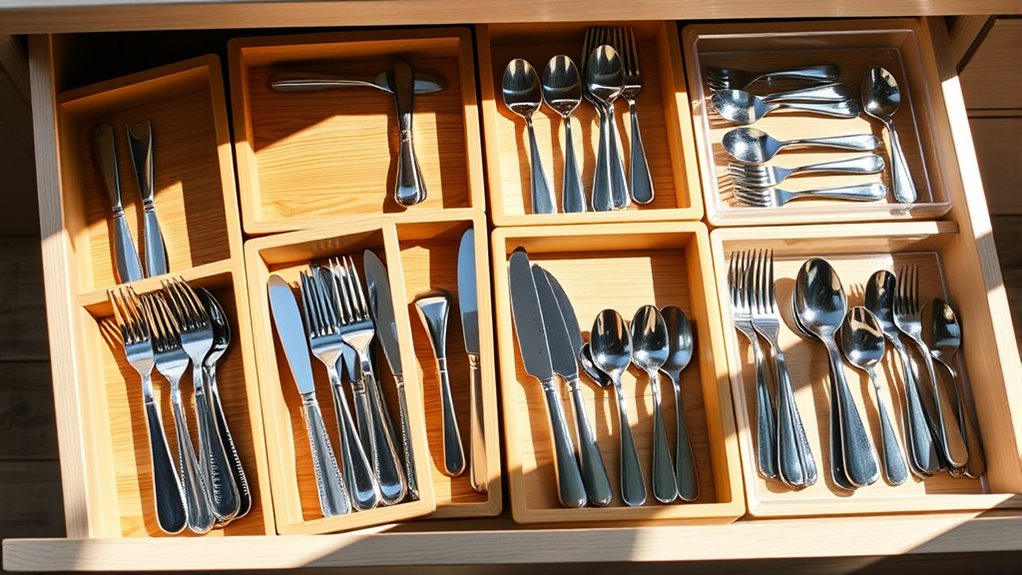
Avoid tossing them in a drawer where they can dull or chip against other utensils. If you opt for a drawer, invest in a drawer organizer to keep them separated.
Store your knives out of reach of children, and consider using blade guards for added safety.
Regularly clean and dry your knives before storage to prevent rust or corrosion.
Tips for Safe Knife Handling
Although knives are essential tools in any kitchen, handling them safely is crucial to prevent accidents and injuries.
Here are some tips to keep in mind while using your knives:
- Always cut away from your body, making sure your fingers are out of the path of the blade.
- Grip the handle firmly; a secure grip helps you maintain control and reduces the likelihood of slipping.
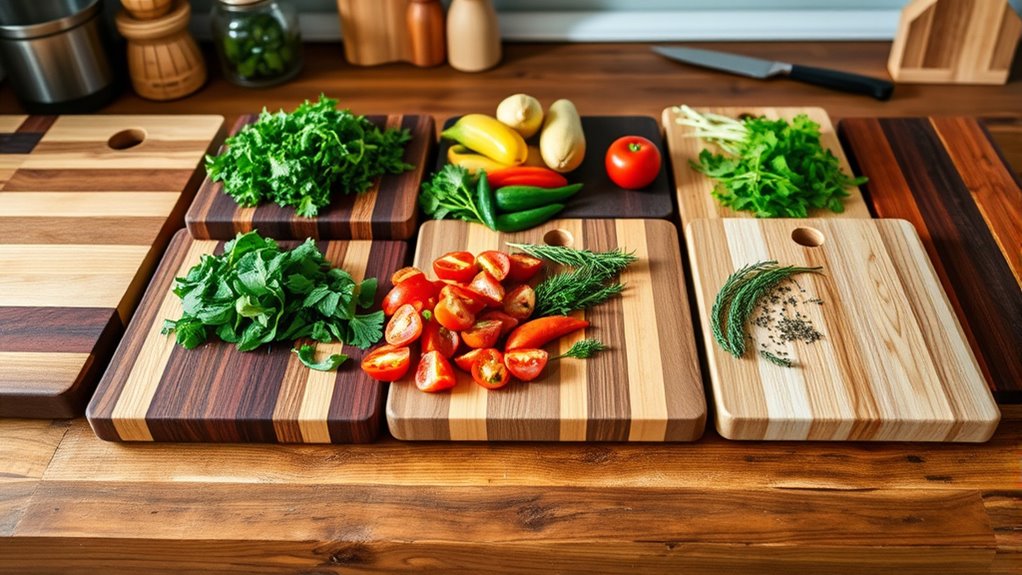
- Use a stable cutting surface to keep the knife from moving unexpectedly.
Questions
How Much Should I Spend on a Beginner’s Knife Set?
Think of your budget as a blank canvas. You should spend around $100 to $300 on a beginner’s knife set. It gives you quality tools without breaking the bank, making cooking a delightful experience.
Are Knife Blocks or Magnetic Strips Better for Storage?
It depends on your preference. Knife blocks keep knives protected and organized, while magnetic strips save space and allow for easy access. Consider your kitchen’s layout and how often you use your knives for the best choice.
Can I Use a Dishwasher to Clean My Knives?
Sure, if you enjoy dull blades and rusted metal! Seriously though, you shouldn’t. Handwashing your knives keeps them sharp and in good condition, ensuring you’re ready for culinary adventures without the dishwasher disaster.
What Is the Best Way to Sharpen My Knives at Home?
The best way to sharpen your knives at home is by using a honing steel or whetstone. Just maintain a consistent angle and apply light pressure. Regular practice will keep your blades sharp and efficient.
Should I Buy a Paring Knife or Utility Knife First?
Think of a paring knife as a skilled artist’s brush, perfect for detailed work; the utility knife, a versatile tool for broader strokes. If you’re just starting, a paring knife’s probably your best bet.