The Science of Heat Distribution in Cookware

Understanding heat distribution in cookware is essential for great cooking results. Different materials like copper and cast iron conduct and retain heat differently. For instance, copper heats quickly, making it ideal for quick adjustments, while cast iron retains heat well for slow cooking. Cookware design also plays a role; heavy bases promote even heat distribution, reducing hot spots. Choosing the right cookware for your cooking tasks can enhance your culinary experience. There’s much more to discover about this topic.
Key Takeaways
- Heat distribution in cookware is affected by the material’s thermal conductivity, influencing cooking efficiency and overall results.
- Cookware design, such as thick bases, promotes even heat distribution and minimizes hot spots, enhancing cooking consistency.
- Different materials behave uniquely; for example, cast iron retains heat well, while copper heats and cools rapidly for quick temperature changes.
- Matching cookware materials to stove types optimizes heat transfer and ensures effective cooking processes tailored to specific methods.
- Heavy-duty pans with reliable heat conduction are essential for techniques like searing and sautéing to achieve desired cooking results.
Understanding Thermal Conductivity
When you cook, the effectiveness of your cookware largely depends on its thermal conductivity. This property determines how well heat is transferred from the source to the food, influencing how evenly everything cooks.
For instance, materials like copper and aluminum conduct heat quickly, allowing for rapid temperature changes. With these options, you can achieve a perfect sear on meats or delicate sauces without hot spots. In contrast, cast iron is known for its superior heat retention, which makes it excellent for slow cooking and simmering.
On the other hand, materials like cast iron heat slowly but maintain temperatures over time, ideal for simmering or frying.
Choosing the right cookware with appropriate thermal conductivity can elevate your cooking experience and guarantee you get the results you want. Understanding these differences will empower you to pick the best tools for your culinary creations. The principles of heat distribution are crucial for achieving optimal cooking efficiency in the kitchen.
Heat Retention Characteristics of Different Materials
Here are three common materials and their heat retention characteristics:
- Cast Iron: Known for excellent heat retention, cast iron keeps your food warm long after you remove it from the heat, ideal for slow cooking. Proper seasoning practices can enhance its non-stick properties and prevent rust.
- Stainless Steel: While it heats quickly, stainless steel doesn’t hold heat as well. It’s great for precise cooking but may require more attention.
- Copper: Copper heats up rapidly and cools down just as fast, making it less effective for retaining heat but perfect for quick adjustments in temperature.
Understanding these characteristics can help you choose the best cookware for your culinary needs. Moreover, investing in premium cookware can enhance your cooking experience by improving both heat retention and durability.
The Role of Cookware Design in Heat Distribution
While heat retention is essential, the design of cookware greatly influences heat distribution, ensuring that your food cooks evenly. Features like the thickness of the base and the shape of the pan can make a significant difference. For example, a thick, heavy base promotes even heat distribution, reducing hot spots. On the other hand, a poorly designed pan may concentrate heat in specific areas, leading to uneven cooking.
Additionally, the material and even the color of your cookware can affect heat conduction. You might find that some designs, like those with non-stick coatings or copper cores, enhance heat distribution and improve cooking performance. Furthermore, matching cookware materials to the type of stove can optimize cooking results. For instance, cookware made from high-quality materials such as stainless steel or cast iron can significantly improve heat retention and cooking efficiency.
Ultimately, choosing the right cookware design can elevate your cooking experience.
Searing vs. Sautéing: Cooking Techniques That Benefit From Proper Heat Distribution
Searing and sautéing are two cooking techniques that greatly benefit from proper heat distribution, amplifying the flavors and textures of your dishes. When you understand these methods, you’ll reveal incredible flavors. Here’s what you should keep in mind:
- Searing: This technique requires high heat to create a flavorful crust on proteins. Even heat guarantees that your meat toasts evenly, preventing dryness.
- Sautéing: This method employs medium to high heat for quickly cooking vegetables or smaller pieces of meat. Having consistent heat allows for even cooking, enhancing color and flavor.
- Pan choice: Opt for heavier pans and those with reliable heat conduction, guaranteeing that both techniques achieve ideal results every time you cook. Additionally, selecting cookware based on quality materials will ensure longevity and enhance cooking performance.
Choosing the Right Cookware for Specific Cooking Tasks

When it comes to achieving the best results in the kitchen, selecting the right cookware for specific tasks can make all the difference.
For searing, heavy-duty cast iron or stainless steel pans provide excellent heat retention and distribution. Additionally, cookware designed for optimal heat distribution can further enhance cooking performance and efficiency.
If you’re simmering sauces or boiling pasta, a stainless-steel pot with an aluminum core will guarantee even heating and quick response to temperature changes.
Non-stick pans are ideal for cooking delicate items, like eggs, since they reduce sticking without excessive oil.
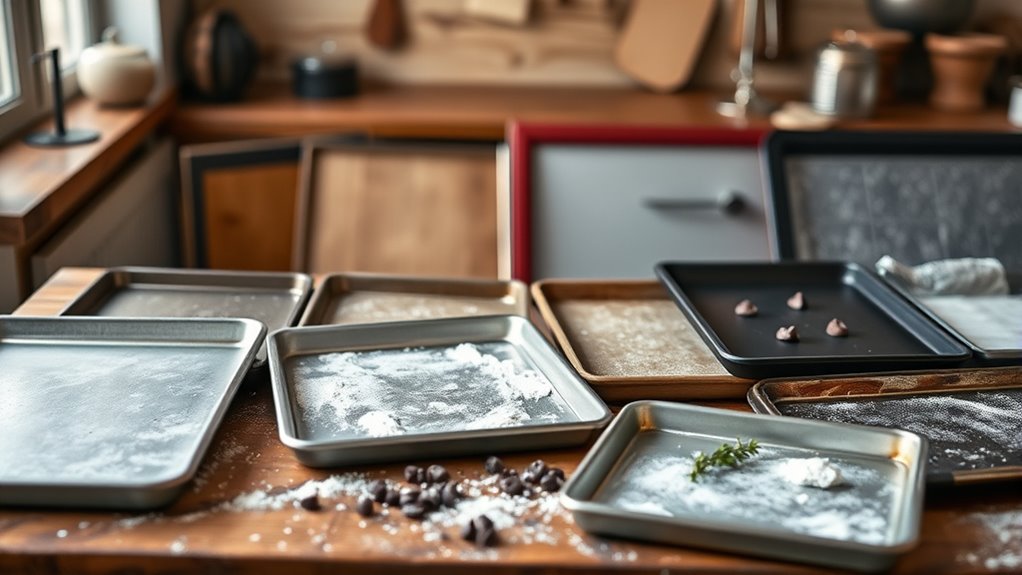
For roasting, choose a baking sheet with low sides to promote even airflow. Additionally, ceramic cookware’s non-stick qualities offer a versatile alternative for various cooking methods, making it a popular choice.
Questions
Does Cookware Material Affect Food Flavor During Cooking?
Yes, cookware material can affect food flavor during cooking. For example, reactive materials like aluminum might alter the taste of acidic foods, while stainless steel or cast iron can enhance flavors by promoting better browning and seasoning retention.
How Does Cookware Weight Influence Its Cooking Performance?
Cookware weight impacts cooking performance since heavier pots and pans retain heat better, ensuring even cooking. Lighter options heat quickly but may cool down faster, affecting your cooking results and consistency. It’s all about balance!
Can Non-Stick Coatings Alter Heat Distribution Properties?
You might think non-stick coatings only prevent sticking, but they actually affect heat distribution too. These coatings can create a barrier, leading to uneven heating, which could compromise your cooking results if you’re not careful.
Are There Safety Concerns With Certain Cookware Materials at High Temperatures?
Yes, there’re safety concerns with certain cookware materials at high temperatures. Some can release harmful chemicals or degrade. It’s vital you choose high-quality materials designed for high heat to guarantee safe cooking experiences.
How Do Different Heat Sources Affect Cookware Performance?
Isn’t it fascinating how heat sources change the game? Gas offers instant control, while electric provides consistent heat. Induction heats efficiently, but not all cookware can handle it, affecting your cooking results markedly.