The Future of Smart Cooking and AI Assistants

The future of smart cooking and AI assistants is set to transform your kitchen experience. With advances in smart appliances and IoT integration, cooking will become more efficient and enjoyable. Personalized meal planning helps you align recipes with your dietary needs, while real-time assistance offers step-by-step guidance. Enhanced safety features guarantee you can cook without worry, all while reducing food waste. Curious about how these innovations will shape your culinary journey? There’s more to discover ahead.
Key Takeaways
- The integration of AI in cooking will allow for highly personalized meal planning, catering to dietary needs and ingredient availability.
- Smart kitchen appliances will enhance efficiency through IoT connectivity, enabling real-time communication and automation of culinary tasks.
- AI assistants will provide hands-free cooking guidance, offering real-time advice on substitutions and flavor combinations for improved meal quality.
- Advanced safety features in smart kitchens will protect against cooking-related hazards, ensuring a safer environment for family cooking activities.
- Virtual culinary education will leverage AI technologies, providing interactive experiences and feedback to enhance cooking skills and techniques.
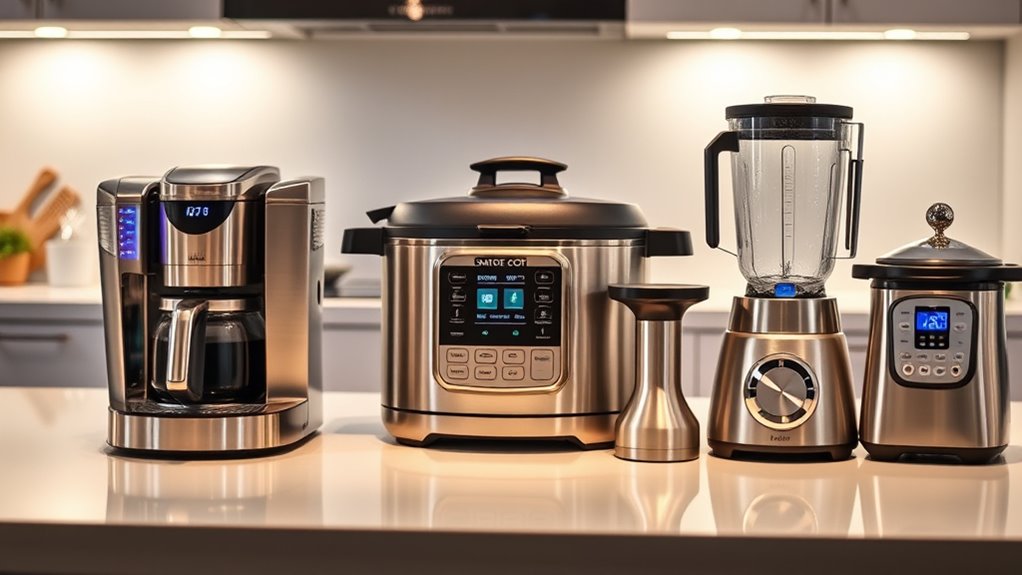
The Rise of Smart Kitchen Appliances
As technology continues to evolve, smart kitchen appliances have emerged as game-changers in the culinary landscape. You’re probably noticing how these devices simplify your cooking experience, making it more efficient and enjoyable.
From smart ovens that can preheat from your phone to refrigerators that help you track inventory, these innovations save you time and reduce food waste. They offer convenience tailored to your needs, allowing you to prepare meals with just a few taps. Furthermore, this advancement in smart appliances is fostering a shift towards healthier eating habits as users can now easily access nutritious recipes and portion sizes.
Imagine starting dinner while you’re still at work, all thanks to an app on your smartphone. With features like personalized recipes and cooking assistance, it’s like having a sous-chef in your kitchen. Additionally, the integration of automation and connectivity in these tools not only enhances usability but also helps you become more proficient in your culinary endeavors. Embracing these advancements could truly elevate your culinary skills and lifestyle.
How AI Is Transforming Meal Planning
While you may enjoy experimenting with new recipes, planning meals can often feel overwhelming.
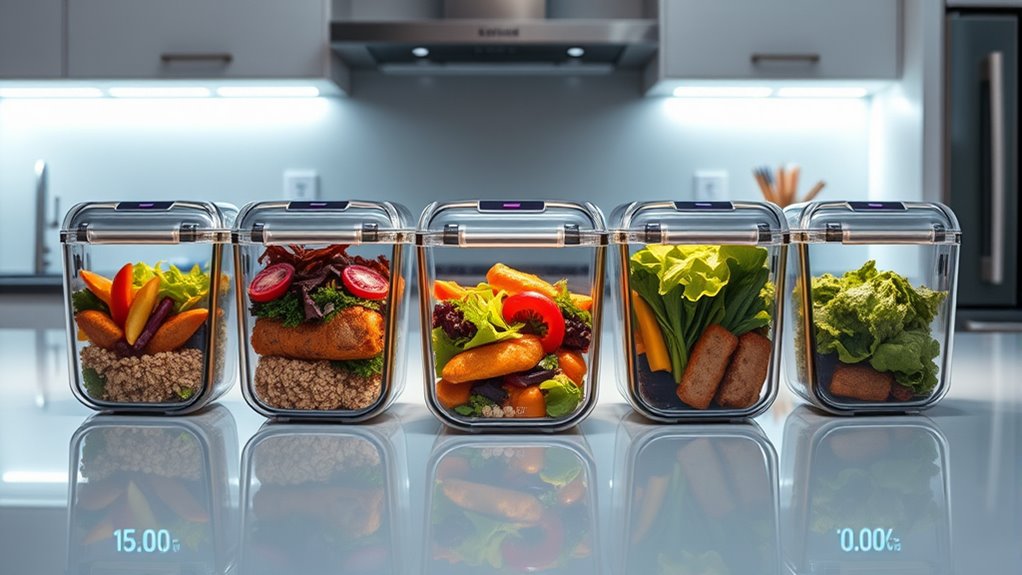
Luckily, AI is here to make that process easier. With smart meal-planning apps, you can input dietary preferences, ingredient availability, and calorie goals. The AI will generate meal suggestions tailored just for you, taking the guesswork out of what’s for dinner. Many of these apps are integrated with time-saving kitchen gadgets, allowing you to quickly execute those meal ideas.
Additionally, these apps can help you create shopping lists based on your chosen recipes, streamlining grocery shopping. Some even analyze your pantry contents to minimize food waste. As you streamline meal preparation, having the right essential tools can greatly enhance your cooking efficiency and organization.
As these technologies continue to evolve, you’ll find meal planning less stressful and more enjoyable. Embracing AI for your meal prep not only saves time but also inspires creativity in the kitchen!
Personalized Recipes for Every Diet
Smart meal-planning apps not only organize your grocery lists but also cater to various dietary needs.
Whether you’re vegan, gluten-free, or following a keto diet, these apps create personalized recipes that align with your lifestyle. You can input your preferences, and the app generates meal ideas that satisfy your nutritional requirements. Some of these apps integrate with essential kitchen gadgets, ensuring that you have the tools needed to prepare your meals efficiently.
It simplifies cooking by suggesting dishes tailored to your taste while ensuring you meet your dietary goals. You’ll find recipes that use ingredients you already have, minimizing food waste.
Plus, these apps often adapt as your dietary needs change, so you’re always receiving recommendations that work for you. With smart cooking technology, you can experience high-quality machines that make meal prep not just easier but also a delight, making healthy eating enjoyable and achievable.
Real-Time Cooking Assistance
Imagine cooking with a voice-controlled AI that guides you step-by-step through your recipe. If you run out of an ingredient, it can suggest smart substitutions to keep your dish on track. Real-time cooking assistance not only makes meal prep easier but also more enjoyable. Moreover, these intelligent voice assistants can streamline meal preparation, enhancing efficiency in your kitchen. As these advancements continue to evolve, they promise to make cooking more accessible and enjoyable for everyone.
Voice-Controlled Cooking Guides
As you step into the world of voice-controlled cooking guides, the kitchen experience transforms into an engaging and interactive adventure. With just a voice command, you can access step-by-step cooking instructions, making meal prep seamless. These AI-driven assistants not only guide you through recipes but also respond to your questions in real-time, ensuring you never miss a beat. Integrating these tools can significantly enhance your cooking experience by promoting hands-free assistance.
| Feature | Benefit | Example |
|---|---|---|
| Step-by-Step Guide | Simplifies complex recipes | “What’s the next step?” |
| Hands-Free Control | Keeps your hands clean | “Start timer for 10 minutes” |
| Instant FAQs | Answers cooking questions quickly | “How do I store leftovers?” |
| Recipe Suggestions | Offers alternatives based on pantry | “What’s for dinner tonight?” |
Smart Ingredient Substitutions
How can you cook confidently without the perfect ingredients on hand? With smart ingredient substitutions, you’ll never feel stuck again.
AI-powered cooking assistants are designed to help you find alternatives in real-time, ensuring you whip up delicious meals regardless of what’s available in your pantry.
Here are some common smart substitutions to contemplate:
- Greek yogurt for sour cream
- Coconut oil for butter
- Cauliflower for rice
- Chickpeas for eggs (in baking)
- Apple sauce for sugar
Embracing these suggestions not only cuts food waste but also sparks creativity in your cooking. Additionally, having a reliable kitchen tool like a chef’s knife can enhance your ability to experiment with these substitutions effectively.
The Role of IoT in Modern Cooking

While cooking may seem like an age-old practice, the integration of the Internet of Things (IoT) is revolutionizing the kitchen experience.
Imagine walking into your kitchen and having your devices ready to streamline your culinary tasks. IoT-enabled appliances can communicate with each other, ensuring ideal cooking times and temperatures. You can preheat your oven from your smartphone, check the status of your refrigerator, or get alerts if you’re low on essential ingredients.
This connectivity not only makes cooking more efficient but also offers valuable insights into nutritional content and meal planning. By embracing these technologies, you’re not just cooking—you’re stepping into a smart kitchen environment that enhances your culinary creativity and simplifies your daily tasks.
The Impact of Smart Cooking on Food Waste
Smart cooking technology not only enhances efficiency in the kitchen but also plays a significant role in reducing food waste.
By utilizing AI and smart appliances, you can better manage your ingredients and minimize waste. Here’s how:
- Smart inventory management helps track what you have on hand.
- Recipe suggestions based on available ingredients prevent impulse purchases.
- Cooking timers guarantee proper meal preparation, avoiding burnt food.
- Portion control features help you make the right amount for your needs.
- Meal planning apps assist in organizing meals to utilize perishables first.
With these advancements, you’re not just saving time and energy—you’re also contributing to a more sustainable food system.
Enhancing Flavor Profiles With Technology
As you explore the intersection of culinary arts and technology, you’ll discover that enhancing flavor profiles has never been easier.
Smart cooking devices and AI assistants can analyze ingredients, suggest complementary flavors, and even optimize cooking techniques to elevate your dishes.
Imagine an AI that learns your taste preferences and recommends spice blends tailored just for you.
With apps that track flavor compounds, you can experiment with new combinations that might surprise your palate.
Plus, these technologies can help you achieve consistent results, so you’re not just relying on intuition.
Embrace the tools available to refine your culinary skills and release the full potential of your meals, merging tradition with innovation for truly exceptional dining experiences.
Smart Kitchen Safety Features
When cooking in your smart kitchen, safety should always come first.
With advancements like fire prevention technologies, child safety controls, and device monitoring alerts, you can feel more secure while whipping up your favorite meals.
Let’s explore how these features can protect you and your loved ones in the kitchen.
Fire Prevention Technologies
How can you guarantee a safer cooking environment? With fire prevention technologies, you can cook with confidence. Smart kitchen safety features help reduce risks and keep your home safe.
Here are some essential technologies to evaluate:
- Smart smoke alarms that connect to your phone, alerting you even when you’re not home.
- Automatic fire extinguishers that activate if a flame is detected.
- Smart thermometers that monitor cooking temperatures, reducing the chances of overheating.
- Stove shut-off devices that automatically turn off the burner after a set time.
- Fire-proof cooking surfaces designed to withstand high temperatures without combusting.
Embracing these innovations can greatly improve your cooking safety and give you peace of mind in the kitchen.
Child Safety Controls
Although cooking can be a fun family activity, it’s essential to prioritize child safety in the kitchen. Smart cooking devices now offer advanced child safety controls that help keep your little ones safe.
Many smart ovens, for example, come with lock settings that prevent kids from accidentally turning them on or changing the temperature. You might also find features like spill detection, which sends alerts when pots or pans overflow, reducing the risk of burns.
Some appliances even allow you to set cooking timers that can only be reset or turned off with a specific code. By incorporating these smart safety features, you can enjoy cooking while ensuring your children are protected from potential hazards in the kitchen.
Device Monitoring Alerts
With child safety features in place, it’s also essential to monitor kitchen appliances while cooking.
Smart cooking devices can provide alerts that keep you informed and safe. These notifications can prevent accidents and help maintain ideal cooking conditions.
- Alerts for overheating appliances
- Notifications for forgotten timers
- Real-time monitoring of food temperatures
- Alerts for appliance malfunctions
- Safety reminders for child locks
The Future of Culinary Education and Training
As technology rapidly evolves, culinary education and training are poised for a transformative shift that embraces innovation.
Culinary education will soon revolutionize with technology, embracing innovation for a transformative training experience.
You’re likely to see AI-driven platforms revolutionizing how culinary skills are taught. Imagine virtual classrooms where you can interact with holographic chefs or use smart devices that provide real-time feedback on your cooking techniques.
Training programs could integrate immersive experiences, allowing you to practice in virtual kitchens that mimic high-pressure environments.
Additionally, AI assistants could tailor lesson plans based on your progress, ensuring you master each skill before moving on.
As these advancements unfold, you’ll find that learning to cook becomes more personalized, efficient, and engaging, preparing you for a future where smart cooking tools are the norm.
Questions
How Do Smart Cooking Devices Connect With Home Networks?
Smart cooking devices connect to home networks via Wi-Fi or Bluetooth, allowing you to control them through apps on your smartphone or tablet. This connectivity makes cooking easier, enabling you to manage recipes and settings remotely.
Are There Privacy Concerns With Using AI Cooking Assistants?
You might think there’s no risk, but yes, there are privacy concerns with AI cooking assistants. They can collect personal data. It’s essential to understand what information’s being shared and how it’s used when you cook.
What Is the Cost Range for Smart Kitchen Appliances?
Smart kitchen appliances typically range from $100 to over $3,000, depending on features and brand. You can find budget-friendly options, but investing in premium models often leads to enhanced performance and durability in the long run.
Can Smart Cooking Devices Replace Traditional Cooking Methods Entirely?
You’d think smart cooking devices could completely replace traditional methods, right? Yet, they often enhance rather than eliminate those age-old techniques. There’s magic in hands-on cooking that tech can’t replicate, even if it tries.
How Do Dietary Restrictions Affect AI Recipe Recommendations?
Dietary restrictions play an essential role in AI recipe recommendations. They help tailor recipes to your needs, ensuring options are safe and enjoyable. You’ll find meal suggestions that fit your diet while maximizing flavor and variety.