Tea Brewing 101: Choosing the Right Tools

When brewing tea, the right tools can make all the difference. Start with a reliable kettle for precise temperature control, and consider a good teapot that suits your preferred style, like ceramic or glass. An infuser or strainer will help you steep loose leaves perfectly. Don’t forget to measure tea accurately for ideal flavor. Quality water and the right temperature are essential. Want to learn how to enhance your brewing experience even more?
Key Takeaways
- Select a reliable tea kettle to control water temperature, crucial for extracting optimal flavors from different tea types.
- Invest in a quality teapot suited for your preferred tea style, such as ceramic for traditional teas or glass for herbal infusions.
- Utilize accurate measuring tools like a digital scale or measuring spoons to ensure consistent tea-to-water ratios for the best brews.
- Use filtered water to avoid unwanted flavors, enhancing the overall tea experience; experiment with different sources for improved taste.
- Incorporate timers into your brewing process to manage steeping times effectively, preventing bitterness and ensuring the perfect flavor profile.
Understanding Different Tea Types
When it comes to tea, there are six main types you should know: green, black, oolong, white, herbal, and pu-erh. Each type has its unique characteristics and flavors.
Green tea is minimally processed, preserving its fresh, grassy taste. Black tea is fully oxidized, giving it a bold, robust flavor. Oolong sits between green and black, providing a rich complexity.
Explore the diverse world of tea: green’s fresh notes, black’s bold richness, and oolong’s intricate balance.
White tea is the least processed, offering a delicate, subtle sweetness. Herbal tea isn’t technically tea; it’s made from various herbs, flowers, and fruits, often caffeine-free and packed with diverse flavors.
Finally, pu-erh is fermented, giving it a unique earthy taste. Understanding these types will help you choose the right tea for your preferences and brewing methods.
Essential Brewing Tools for Beginners
When you’re starting out in tea brewing, having the right tools can make a big difference.
You’ll want to explore different types of teapots and understand why measuring your ingredients is essential for the perfect cup.
Let’s look at the must-have equipment that’ll set you up for success.
Essential Equipment Overview
Brewing a great cup of tea starts with having the right tools at your disposal.
Investing in essential equipment not only enhances your tea experience but also simplifies the brewing process.
Here are three must-have items for any beginner:
- Tea kettle: A reliable kettle guarantees your water reaches the perfect temperature for different types of tea.
- Teaspoon or scale: Use these to measure your loose tea leaves accurately, assuring a well-balanced flavor.
- Infuser or tea strainer: These tools make steeping loose leaf tea convenient, allowing your leaves to expand for maximum flavor extraction.
With these essentials, you’ll be well on your way to mastering the art of tea brewing!
Grab your gear and get ready to enjoy a delicious cup.
Types of Teapots
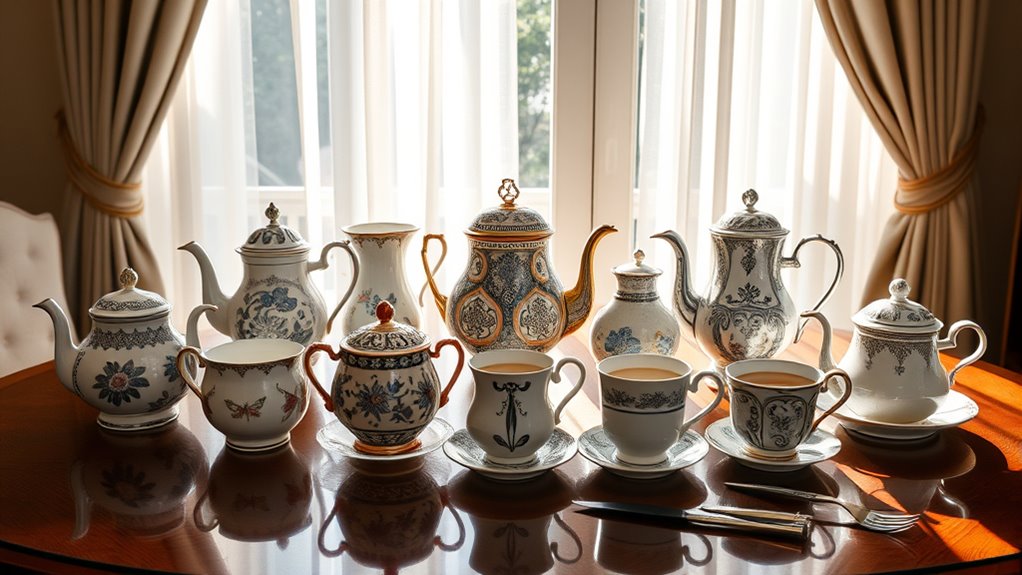
Having the right tools can make all the difference in your tea experience, and choosing the right teapot is just as important as your kettle. Teapots come in various styles, each suited for different types of tea and brewing preferences.
| Teapot Type | Best For | Key Feature |
|---|---|---|
| Ceramic | Traditional teas | Retains heat well |
| Glass | Herbal infusions | Visual appeal |
| Cast Iron | Stronger brews | Excellent heat retention |
| Porcelain | Delicate flavors | Elegant design |
| Travel Teapot | On-the-go brewing | Compact & portable |
Selecting the right teapot can enhance your brewing process, providing you with memorable tea moments. Don’t underestimate this vital aspect of your tea journey!
Measuring Tools Importance
While many focus on the teapot and kettle, measuring tools are just as essential for a successful tea experience.
Accurate measurements can make the difference between a perfect cup and a disappointing brew. Using the right measuring tools guarantees you’re getting the flavors just right, making every sip enjoyable.
Here’s what you should consider adding to your brewing kit:
- Digital Scale: For weighing tea leaves, achieving the right tea-to-water ratio.
- Measuring Spoon: Ideal for quick, consistent servings of loose tea.
- Thermometer: To check water temperature, which influences flavor extraction.
Investing in these essential measuring tools will help you master the art of brewing and enhance your overall enjoyment of tea. Additionally, understanding the role of extraction techniques can greatly improve your brewing skills.
Don’t skip this step!
Teapots: Choosing the Right Style
When it comes to choosing the right teapot, you’ll find that the style can greatly enhance your tea-drinking experience.
First, consider materials; ceramic and porcelain retain heat well, while glass teapots showcase the beauty of your brew. If you prefer a more traditional feel, a cast iron teapot can offer both style and durability.
Consider the material of your teapot—ceramic and porcelain for heat retention, or glass to display your brew’s beauty.
Next, think about size. A smaller pot may be perfect for a personal cup, while a larger one caters to gatherings.
Don’t forget about design! Whether you lean towards modern aesthetics or classic elegance, the visual appeal of your teapot can elevate your tea ritual.
Lastly, verify the spout is functional for pouring. A well-chosen teapot not only brews but also serves as a beautiful centerpiece.
Infusers and Strainers: The Best Options

Choosing the right teapot is just the beginning of your tea journey; the way you brew and filter your tea plays a significant role too. Infusers and strainers come in various designs, each serving to enhance your tea experience.
Here are some great options:
- Mesh Infusers: Perfect for loose leaf teas, they allow flavors to diffuse while keeping leaves contained.
- Tea Balls: Handy and portable, these make brewing easy; just fill, steep, and remove.
- Fine Mesh Strainers: Ideal for those who prefer a clear cup, ensuring no stray leaves make it into your tea.
Measuring Tea: Accurate Portions for Flavor
Getting the right amount of tea in relation to water is essential for achieving the perfect flavor.
You’ll want to know some measuring techniques and tools to help you find that ideal tea-to-water ratio.
In this section, we’ll explore how precision can transform your brewing experience.
Measuring Techniques and Tools
Accurate measurement of tea is essential for achieving the perfect flavor every time you brew. Using the right tools and techniques guarantees you’re getting the most out of your leaves.
Here are some handy methods to improve your measuring game:
- Digital Scale: A precise digital scale will help you measure your tea leaves by weight, guaranteeing consistency with each brew.
- Teaspoon Measurements: If you prefer a simpler approach, use teaspoons. Generally, one teaspoon of loose tea equals about two grams.
- Tea Scoops: A dedicated tea scoop can provide a quick and easy way to measure specific quantities, often marked for convenience.
Integrating these techniques can make a notable difference in your tea experience, leading to tastier results every time.
Ideal Tea-to-Water Ratio
Finding the right tea-to-water ratio is essential for releasing the full potential of your brew. Generally, a good starting point is 1 teaspoon of loose tea for every 6 ounces of water. Adjusting this ratio can deeply impact flavor, so feel free to experiment. Here’s a quick reference for different types of tea:
| Type of Tea | Tea-to-Water Ratio |
|---|---|
| Green Tea | 1 tsp per 6 oz |
| Black Tea | 1 tsp per 5 oz |
| Herbal Tea | 1 tbsp per 8 oz |
Water Temperature and Quality: Key Factors

Water temperature and quality play vital roles in the art of brewing the perfect cup of tea. The right temperature helps extract the tea’s flavors while avoiding bitterness.
Water temperature and quality are essential for brewing tea, as they help unlock flavors while preventing bitterness.
Different types of tea require specific temperatures for ideal results, so knowing these is essential. Additionally, using high-quality water can greatly enhance your brewing experience; impurities can alter the taste, making your tea less enjoyable.
Here are some key points to reflect on:
- Use filtered water: Tap water may contain chlorine or minerals that affect taste.
- Pay attention to temperatures: Green teas thrive around 175°F, while black teas prefer near boiling.
- Preheat your vessel: This keeps the temperature consistent during brewing.
Master these factors, and you’ll delight in every sip!
Timers: Ensuring Perfect Steeping Times
After you’ve mastered water temperature and quality, the next vital step in brewing the perfect cup of tea is timing. Timers can be your best friend here.
Using a timer guarantees you steep your tea for the right amount of time, preventing bitterness or weak flavors. Most teas have specific steeping guidelines; black tea usually needs around 3-5 minutes, while green tea is often best at 2-3 minutes.
Whether you choose a kitchen timer, a smartphone app, or a specialized tea timer, having one on hand takes the guesswork out of brewing.
Just set the timer when you start steeping, and you’ll know exactly when to take that first sip of perfectly brewed tea. Happy brewing!
Cleaning and Maintaining Your Brewing Equipment
While it might seem tedious, regularly cleaning and maintaining your brewing equipment is essential for enjoying the best flavors in your tea.
Buildup from tea residue can affect both taste and aroma, so a few simple steps can make a huge difference in your brewing experience.
- Rinse After Use: Immediately rinse your teapot, infuser, and cups with hot water to prevent stubborn stains or residues.
- Deep Clean Weekly: Use a gentle vinegar solution or baking soda once a week to thoroughly clean your gear and remove lingering scents.
- Dry Properly: Always dry your equipment completely before storing it to prevent mold or unpleasant odors.
Questions
Can I Reuse Tea Leaves for Multiple Brews?
Absolutely, you can reuse tea leaves for multiple brews! Isn’t it great to stretch your tea experience? Just remember, subsequent brews might have a milder flavor, but it’s still worth trying! Enjoy experimenting!
How Does Tea Quality Affect Flavor?
Tea quality greatly affects flavor. Higher-quality leaves yield richer, more complex tastes, while lower-quality leaves can produce dull or bitter brews. You’ll notice the difference in aroma, color, and overall enjoyment with better ingredients.
What Is the Difference Between Loose Leaf and Bagged Tea?
Did you know about 80% of tea consumed in the U.S. is bagged? Loose leaf offers more flavor and freshness, while bagged tea’s convenience is appealing. Ultimately, it’s about balancing quality and accessibility for your taste.
How Do I Store My Tea to Keep It Fresh?
To keep your tea fresh, store it in an airtight container, away from light, heat, and moisture. A cool, dark place like a pantry works best. Always check for any unusual odors before using.
Is Water Hardness Important for Brewing Tea?
Yes, water hardness matters. Did you know that 85% of the world’s tea drinkers prefer soft water? Using softer water enhances flavor, while hard water can make your brew taste flat and uninviting.