How to Store Leftovers Safely and Efficiently

To store leftovers safely and efficiently, refrigerate them within two hours of cooking. Use airtight containers made from glass or BPA-free plastic and label them with dates and contents. Divide large portions into smaller containers for faster cooling and stack them to save space. Always reheat your leftovers to at least 165°F. Watch for signs of spoilage like discoloration or unpleasant odors. Want to know more tips on managing your meal storage? Keep exploring!
Key Takeaways
- Refrigerate leftovers within two hours and keep the fridge temperature at 40°F or lower to prevent bacterial growth.
- Use airtight containers made of glass or BPA-free plastic, and label them with contents and dates for easy identification.
- Divide large portions into smaller, shallow containers to cool leftovers quickly and ensure safe storage.
- Consume leftovers within three to four days, reheating them to an internal temperature of 165°F before eating.
- Organize your fridge by expiration dates and visibility, placing older items at the front to minimize food waste.
Understanding Food Safety Guidelines
When it comes to storing leftovers, understanding food safety guidelines is essential to prevent illness.
First, always refrigerate leftovers within two hours of cooking; this minimizes the risk of bacterial growth. Make certain your fridge is set to 40°F or lower to keep food safe. Keep cooked dishes separate from raw foods to avoid cross-contamination.
When you reheat leftovers, verify they reach an internal temperature of 165°F, killing any harmful bacteria. It’s recommended to consume leftovers within three to four days for maximum safety.
If you can’t finish them in time, consider freezing them for later use. By following these guidelines, you’ll enjoy your meals worry-free, knowing you’re prioritizing your health and safety.
Choosing the Right Containers
Here are three essential tips to think about when picking your containers:
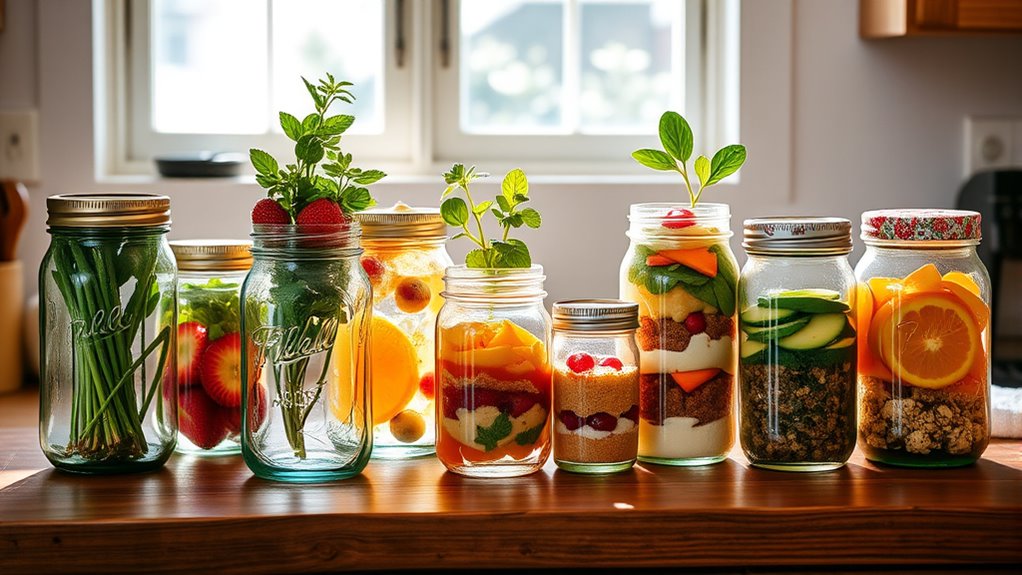
- Material: Opt for glass, BPA-free plastic, or stainless steel. They’re durable and won’t leach harmful chemicals into your food. Additionally, glass jars are favored for their aesthetic appeal and can be reused, making them a sustainable choice.
- Tight Seals: Make sure your containers have tight-fitting lids to keep air and bacteria out, preserving freshness and flavor. Choosing airtight containers can enhance the effectiveness of this preservation by effectively keeping air and moisture out.
- Size Variety: Choose different sizes to accommodate various portions. This way, you’ll avoid overcrowding your containers, which can lead to uneven cooling. Additionally, using appropriate storage containers can help keep your food safe and minimize waste.
Cooling Leftovers Quickly
After you’ve enjoyed a delicious meal, it’s crucial to cool leftovers quickly to prevent harmful bacteria from growing. Start by dividing large portions into smaller, shallow containers. This helps food cool faster and more evenly.
Avoid leaving leftovers out at room temperature for more than two hours; bacteria thrive in this zone. When you’re ready to refrigerate, place the containers in the fridge without stacking them, allowing air to circulate.
You can also use ice baths or cool water to expedite the cooling process for foods that are warm. Remember, the goal is to bring the temperature down to below 40°F (4°C) as quickly as possible.
Taking these steps guarantees your leftovers remain safe and delicious for future meals.
Properly Labeling Your Food
Proper labeling can be a game-changer for managing your leftovers effectively. It helps you keep track of what you have and when it needs to be consumed.
To make the most out of your food storage, consider these key practices:
- Date Everything: Always write the date on your containers so you know when the leftovers were made. This prevents confusion about freshness.
- Name the Dish: Clearly label what the food is, especially if you have multiple items that look similar. This makes meal planning easier.
- Include Reheating Instructions: If applicable, jot down quick reheating instructions. This can save you time and guarantee your food tastes just as delicious when you’re ready to enjoy it again.
Storing in the Refrigerator

When it comes to storing leftovers in the refrigerator, your goal should be to maintain freshness and prevent spoilage.
Start by transferring leftovers into airtight containers to minimize air exposure, which can lead to drying out or absorbing odors. Store food on the middle or bottom shelves, where it’s coldest, and keep the temperature at or below 40°F. To further enhance efficiency, ensure that your refrigerator is not overloaded, as this allows for better airflow and consistent cooling.
It’s best to consume leftovers within three to four days, so keep an eye on the dates labeled. Make sure to cool food down to room temperature before refrigerating—this helps prevent temperature spikes that can affect other foods. Regularly cleaning your fridge will also help ensure that it remains a safe environment for your leftovers, as maintaining a clean and organized refrigerator can prevent spoilage and reduce unpleasant odors.
Finally, avoid overpacking your fridge; proper air circulation keeps everything consistently cold.
Freezing Leftovers for Long-term Storage
Although refrigerating leftovers is great for short-term storage, freezing them can extend their lifespan considerably. If you want to freeze leftovers effectively, keep these tips in mind:
Freezing leftovers can significantly extend their shelf life. Here are some essential tips for effective freezing.
- Cool Down First: Allow your food to cool to room temperature before placing it in the freezer. This helps maintain quality and prevents temperature fluctuations.
- Use Airtight Containers: Choose freezer-safe containers or heavy-duty freezer bags to prevent freezer burn. Be sure to remove as much air as possible before sealing.
- Label and Date: Always label your containers with the contents and date. This’ll help you keep track of what you have and guarantee you use older items first.
Reheating Food Safely
How can you guarantee your leftovers are reheated safely? First, always reheat food to an internal temperature of at least 165°F (74°C) to kill any harmful bacteria. Use a food thermometer for accuracy.
When using a microwave, stir the food halfway through to ascertain even heating; this helps eliminate cold spots where bacteria can thrive. If you’re reheating in an oven or stovetop, cover the food to retain moisture and heat evenly.
Avoid reheating food multiple times, as this increases the risk of bacterial growth. It’s best to only reheat what you plan to eat right away.
Finally, serve your reheated meals promptly to maintain safety, and consider using shallow containers to cool down leftovers quickly after reheating.
Recognizing Signs of Spoilage
When you’re checking your leftovers, keep an eye out for color changes that could signal spoilage.
If something smells off or tastes strange, it’s best to play it safe and toss it.
Trusting your senses is key to keeping your meals safe and enjoyable.
Color Changes Indicate Spoilage
One of the most troubling aspects of food storage is recognizing spoilage, and color changes can be a clear indicator. When you notice a shift in color, it’s wise to investigate further.
Here are three common signs to watch for:
- Meat and Poultry: Fresh red or pink meat that turns gray or has dark spots is likely spoiled.
- Vegetables: Fresh greens that become wilted, brown, or slimy typically indicate they’ve gone bad.
- Dairy: Milk that changes from white to yellow or has dark flecks can signal spoilage.
If you see any of these color changes, it’s best to err on the side of caution and discard the food. Staying aware of these signs helps keep you safe and healthy.
Unpleasant Odors and Tastes
While color changes can indicate spoilage, unpleasant odors and tastes are often even more reliable signs. If your leftovers have a sour, rancid, or moldy smell, it’s a clear red flag that it’s time to toss them. Trust your nose; it can detect spoilage before you see visible changes.
Similarly, if something doesn’t taste right—bitter, off, or simply unusual—it’s best not to take chances. Eating spoiled food can lead to foodborne illness, so if you have any doubts, err on the side of caution.
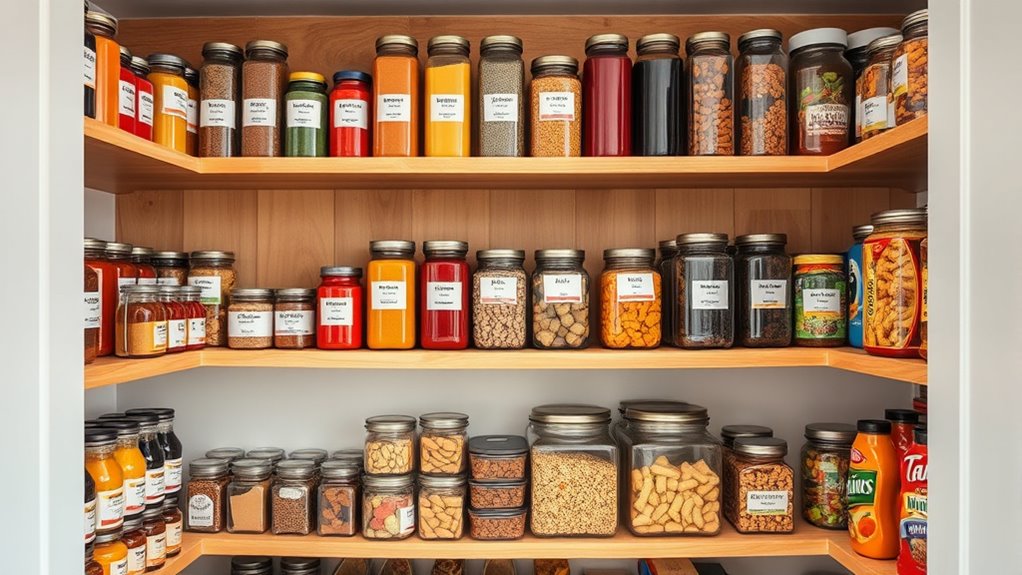
Always store food in airtight containers to minimize odors and potential spoilage. Keeping your fridge organized will help you see what needs to be eaten first, reducing the risk of unpleasant surprises.
Tips for Portion Control and Meal Prep
When it comes to managing leftovers, mastering portion control and meal prep can make all the difference.
You’ll want to contemplate proper serving sizes, try batch cooking techniques, and invest in portioned storage solutions. Additionally, choosing the right materials for your containers, such as glass, plastic, and silicone, can greatly enhance food freshness and safety. Organizing your fridge with clear storage containers can help keep track of your leftovers and avoid food waste.
These simple steps can help you reduce waste and make mealtime easier.
Proper Serving Sizes
To keep your meals manageable and reduce food waste, it’s essential to pay attention to proper serving sizes. By serving the right amount, you guarantee everyone gets enough without overloading their plates.
Here are some tips for portion control:
- Use Smaller Plates: A smaller plate can trick your mind into thinking you’re eating more, helping to prevent overeating.
- Measure First: Invest in measuring cups or a kitchen scale to guarantee your portions align with dietary recommendations.
- Plan Ahead: Think about how many servings you’ll need before preparing meals. This makes it easier to pack leftovers without guesswork.
Batch Cooking Techniques
Batch cooking can be a game-changer for your meal prep routine, allowing you to streamline your cooking process and make portion control effortless. Additionally, using multi-functional gadgets can save both time and space while preparing your meals.
Start by selecting a few recipes that freeze well, like soups, casseroles, or grains. Cook these in larger quantities on a designated day, usually your weekend, saving time during the week.
Once cooked, divide your meals into appropriate portions right away to guarantee they don’t get overconsumed. Use measuring cups or a food scale to help with accurate serving sizes.
Label your containers with the date and contents so you can easily identify them later. This way, you’ll always have healthy meals ready to go, making weekday dining quick and convenient. Investing in quality kitchen gadgets, like food processors, can also enhance your batch cooking experience and improve efficiency in the kitchen.
Portioned Storage Solutions
Finding efficient portioned storage solutions can greatly enhance your meal prep experience and guarantee you stick to your desired serving sizes. Here are some tips to help you manage portions effectively:
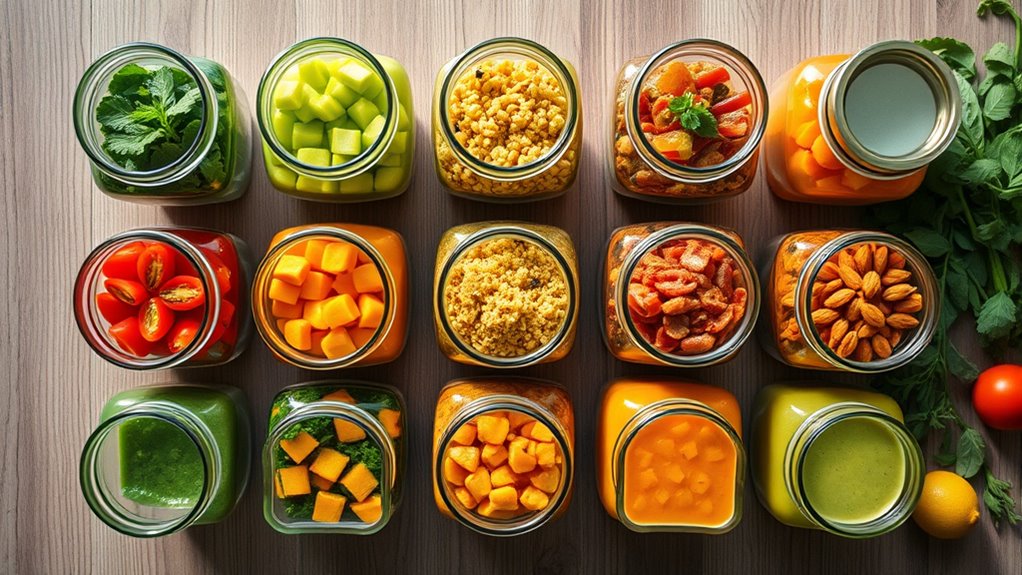
- Use Stackable Containers: Opt for clear, stackable containers in various sizes. This helps save space and makes it easy to see what’s inside.
- Pre-portion Meals: Divide leftovers into single or double servings right away. This not only saves time during the week but also helps prevent overeating.
- Label Everything: Clearly label each container with the contents and date. This makes it easier to track freshness and ensures you use your meals in a timely manner.
Embracing these strategies will make your meal prep simpler and more organized!
Questions
Can I Store Different Foods Together in One Container?
You can store different foods together in one container, but it’s best to keep similar items together. Mixing strong-smelling foods can lead to unwanted flavors, so consider using separate containers when storing diverse leftovers.
How Long Can Leftovers Sit Out Before I Must Refrigerate Them?
Leftovers can sit out for two hours, or just one hour if the temperature’s above 90°F. After that, you’re risking foodborne illness, so it’s best to refrigerate promptly to keep your meals safe.
Is It Safe to Refreeze Previously Frozen Food?
Yes, it’s generally safe to refreeze previously frozen food if it was thawed in the refrigerator and hasn’t been left out at room temperature for more than two hours. Always check for quality before refreezing.
What Types of Containers Are Microwave-Safe for Reheating?
You should use glass or ceramic containers labeled microwave-safe for reheating. Avoid metal and certain plastics, as they can melt or release harmful chemicals. Always check for a microwave-safe symbol before using any container.
Can I Use Aluminum Foil for Covering Leftovers?
You can use aluminum foil to cover leftovers, but it’s not ideal for long-term storage. It’s best for short-term use, as it doesn’t seal tightly and can react with acidic foods. Use airtight containers instead.