How to Set a Table for Every Occasion

Setting a table for every occasion starts with choosing the right dinnerware and linens that align with the mood of the event. Use elegant dinnerware for formal gatherings and casual pieces for relaxed meals. Arrange silverware with forks on the left and knives on the right, while incorporating glassware that suits the drinks being served. Fun centerpieces and personalized place settings make it memorable. With these tips, you can create an inviting atmosphere for your guests and find so much more to elevate your table settings.
Key Takeaways
- Choose dinnerware based on the occasion, selecting elegant materials for formal settings and durable options for casual dining.
- Arrange silverware correctly by placing forks on the left and knives on the right, following the order of use from the outside in.
- Match linens to the event; use casual fabrics for relaxed meals and elegant textures for formal gatherings to enhance the table’s aesthetic.
- Incorporate unique centerpieces that reflect the season or theme, using fresh flowers, vintage items, or edible arrangements for visual appeal.
- Enhance the dining atmosphere with warm lighting, such as candles or dimmed overhead lights, to create a cozy and inviting environment.
Choosing the Right Dinnerware
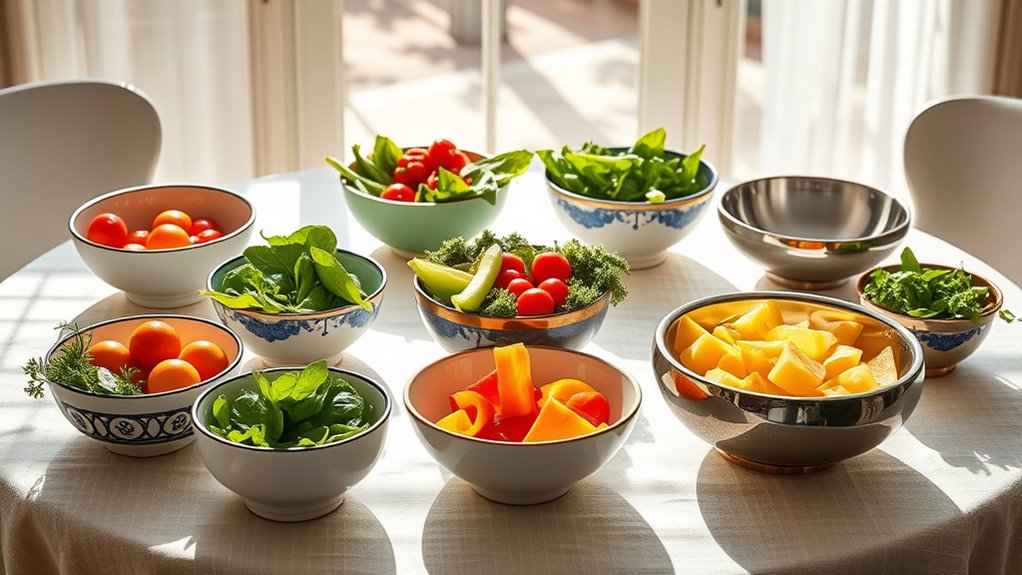
Choosing the right dinnerware can make a significant impact on your dining experience. When you select dinnerware, think about the style and occasion. Are you hosting a formal dinner or a casual brunch? Porcelain might suit an elegant setting, while stoneware can work well for relaxed meals. Elegant serveware can elevate everyday dining and enhance the overall atmosphere.
Consider color and pattern, too; solid colors create a classic look, while vibrant patterns add personality. Make sure your dinnerware’s size and shape suit your meals—large plates for hearty dinners and smaller ones for lighter fare.
Don’t forget about practicality; choose durable options if you’re entertaining kids or using them daily. Additionally, consider selecting materials like stoneware or porcelain for both their appearance and longevity. Ultimately, your dinnerware should enhance the meal and reflect your taste, making each dining experience memorable.
Selecting the Perfect Linens
After picking the right dinnerware, the next step is to contemplate the linens that will complement your table setting.
Think about the occasion and choose colors and textures that enhance your theme. For casual dinners, opt for cotton or linen in cheerful patterns, while elegant gatherings might call for embroidered tablecloths or silk runners.
Don’t forget about napkins—cloth options add a touch of sophistication, while paper can work well for relaxed meals. Consider different fold styles to add flair.
Layering can also be effective; use placemats for contrast or to define spaces. Be mindful of care requirements, too, as you’ll want linens that can handle your entertaining needs.
In short, choose wisely to create a harmonious, inviting atmosphere.
Arranging Silverware With Style
While you might think silverware arrangement is simple, it can actually set the tone for your entire dining experience. When you know how to arrange your silverware with style, it adds elegance and sophistication to the table. Here are a few tips to keep in mind:
Silverware arrangement may seem simple, but it significantly influences your dining experience and adds elegance to your table.
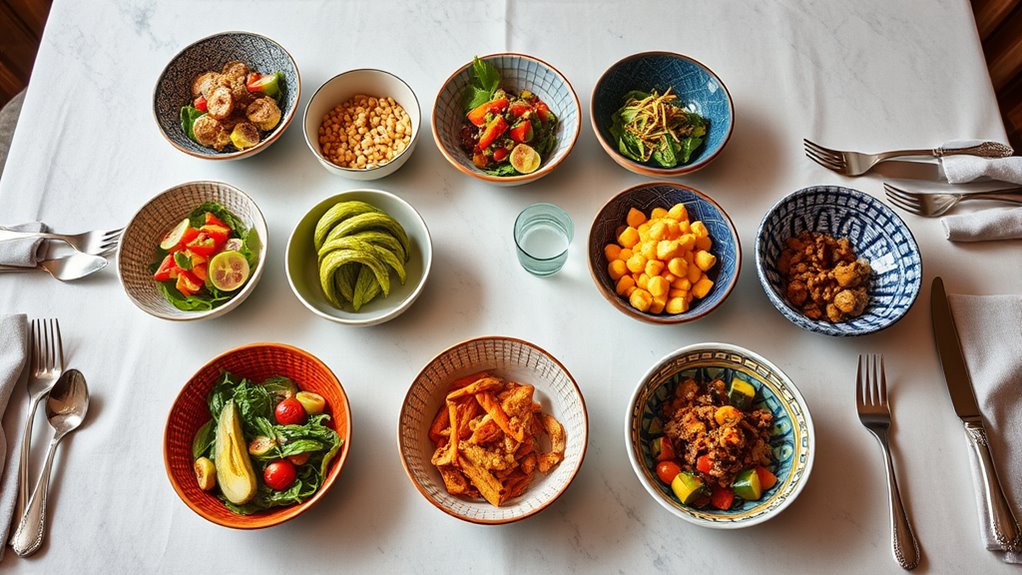
- Cutlery Placement: Position forks to the left and knives to the right of your plate, with blades facing inward.
- Utensil Order: Place utensils in the order they’ll be used, working from the outside in.
- Napkin Style: Fold or roll your napkins creatively, placing them beside or on top of the plate.
- Serving Spoons: If you’re serving a dish family-style, include a serving spoon beside the bowl.
- Consistency: Use matching silverware sets for a cohesive look.
Following these steps will enhance your dining presentation.
Glassware Essentials for Different Occasions
When it comes to setting a table, selecting the right glassware can elevate your dining experience considerably.
For casual meals, opt for simple everyday glasses that are durable and functional. When hosting a dinner party, use elegant wine glasses to match the wine you’re serving—red wines deserve larger bowls, while white wines shine in narrower glasses. Additionally, having an array of essential serveware pieces can further enhance your table setting.
Don’t forget about sparkling occasions; champagne flutes add a touch of sophistication. For mixed drinks, keep a set of highball and lowball glasses on hand.
If it’s a festive gathering, colorful or themed glassware can bring a fun vibe. Additionally, choosing glassware tailored to specific drinks enhances the overall drinking experience and allows you to impress your guests.
Ultimately, the right glassware not only complements your meal but also reflects your style and sets the mood for your occasion.
Centerpieces: Adding Personality to Your Table

Centerpieces serve as the heart of your table setting, infusing character and charm into any dining experience.
Whether you’re hosting a casual lunch or an elegant dinner, choosing the right centerpiece can elevate your table’s aesthetics. Here are some ideas to ponder:
- Fresh flowers in a stylish vase
- Seasonal fruit for a colorful and edible display
- Candles of varying heights for warmth and ambiance
- Unique sculptures or art pieces for a touch of personality
- Themed arrangements, like seashells for a beach gathering
With a little creativity, you can select a centerpiece that resonates with your style and complements the occasion.
Place Settings: Formal vs. Informal
When it comes to setting a table, knowing the difference between formal and informal arrangements is key.
A formal setting typically includes multiple utensils and elegant dishware, while informal setups are more relaxed and approachable.
Let’s explore how you can create the right atmosphere for any occasion.
Formal Table Settings
Although you might think all table settings are created equal, there’s a distinct difference between formal and informal arrangements. A formal table setting sets the stage for elegance, often seen at weddings, gala dinners, or official gatherings.
Here’s what you need for a proper formal arrangement:
- Tablecloth: Choose a crisp, elegant fabric.
- Chargers: Use decorative plates beneath the dinnerware.
- Fine Dinnerware: Opt for matched plates, bowls, and utensils.
- Glassware: Include at least three types: water, wine, and champagne glasses.
- Napkins: Folded neatly, they should complement the decor.
With these elements in place, you’ll create an inviting atmosphere that elevates any dining experience.
Informal Table Arrangements
What’s the vibe you’re aiming for with your informal table setting? Whether it’s a casual family dinner or a relaxed gathering with friends, you’ll want your table to feel inviting and comfortable.
Start with a simple tablecloth or placemats to define the space. Use mismatched dinnerware for a playful touch, and don’t stress about perfect alignment. Place a single fork to the left and a knife to the right of the plate, or skip utensils altogether if finger foods are on the menu.
Glasses can be placed above the knife, and feel free to add a centerpiece like a small vase of flowers or candles for warmth. Most importantly, keep it simple and let the company shine! Consider incorporating aesthetically pleasing tableware to enhance the overall ambiance of your gathering.
Creating a Welcoming Atmosphere With Lighting
Creating a warm and inviting atmosphere at your dining table involves careful consideration of lighting.
The right lighting can enhance the mood, making your guests feel comfortable and welcomed. Here are some tips to achieve that perfect ambiance:
- Use soft, warm-toned bulbs to create a cozy glow.
- Position candles on the table for an intimate touch.
- Incorporate string lights for a whimsical feel.
- Adjust overhead lighting to a lower setting whenever possible.
- Use lamps or torches for additional subtle lighting in the room.
Seasonal Themes: Incorporating Nature Into Your Table
A beautifully set table can reflect the changing seasons and bring the outdoors in, enhancing the overall dining experience.
For spring, consider fresh flowers as centerpieces, using pastels for a light, airy feel. Mixing and matching dinnerware can also {create visually appealing table settings}.
In summer, vibrant fruits like slices of watermelon or bowls of berries can add color and freshness.
As autumn arrives, incorporate rustic elements like leaves, mini pumpkins, or wooden accents that evoke warmth.
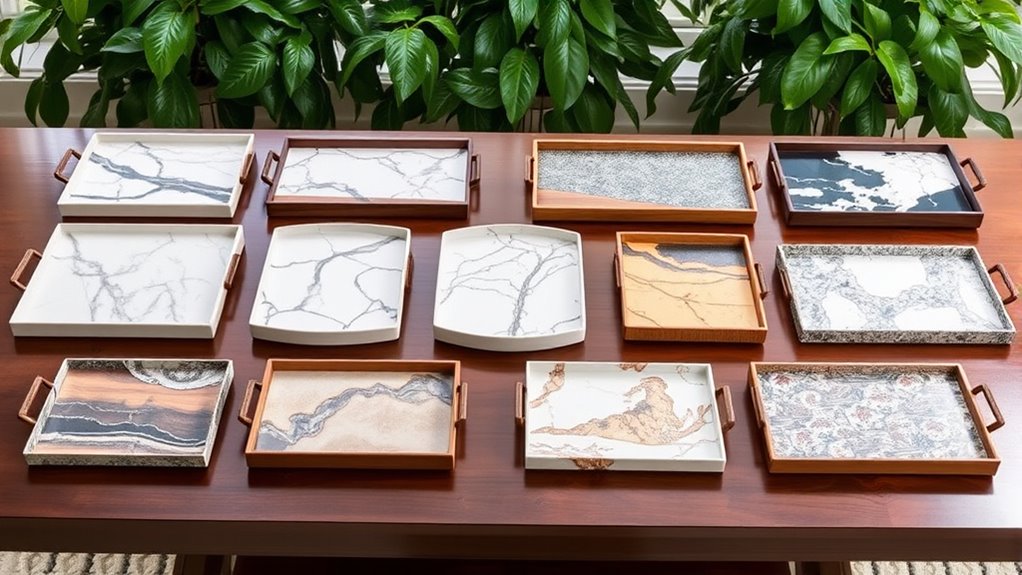
In winter, use pinecones, evergreen branches, or seasonal spices like cinnamon for a cozy atmosphere. Don’t forget textured table runners or placemats that mimic nature, whether they’re made of burlap, linen, or even recycled materials. Additionally, remember that selecting the right tableware can further enhance your seasonal table setting, creating a cohesive and inviting atmosphere.
Personal Touches: Making It Unique and Memorable
To make your table truly stand out, consider adding a unique centerpiece that reflects your style.
Personalizing place settings can also create a warm, inviting atmosphere for your guests.
Let’s explore some creative ideas to elevate your dining experience.
Unique Centerpiece Ideas
As you consider how to elevate your table setting, unique centerpieces can truly transform the atmosphere of your gathering. They serve as conversation starters and add a personal touch. Here are some ideas to inspire you:
- Seasonal Flowers: Use flowers that reflect the current season for a fresh touch.
- Vintage Finds: Incorporate antique vases or quirky objects from thrift stores.
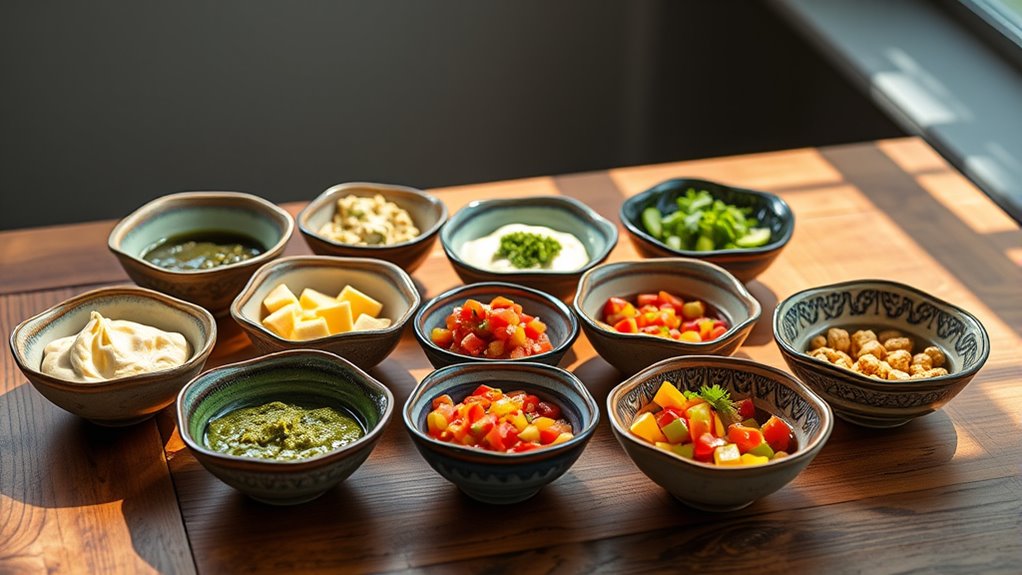
- Edible Centerpieces: Arrange fruits, vegetables, or a cheese platter for something delicious.
- Photo Displays: Feature memorable photos in elegantly framed displays.
- DIY Projects: Create something personal, like a hand-painted centerpiece or a crafted terrarium.
These unique centerpieces won’t only enhance your table but also make it memorable for your guests!
Personalized Place Settings
When creating a memorable table setting, personalized place settings add that special touch that makes your guests feel valued. You can start by using name cards, which direct guests to their seats while giving a warm, welcoming feel.
Consider incorporating small favors that reflect your guests’ interests or hobbies; it’s a nice surprise as they find their place. If it’s a special occasion, think about including a handwritten note or a special quote for each guest, adding a personal connection.
You can also use unique tableware, such as custom plates or themed napkins, that resonate with the event’s mood. These thoughtful details will make your guests feel cherished and turn a simple meal into a cherished memory.
Questions
What Is the Best Way to Clean My Dinnerware After Use?
For cleaning your dinnerware, rinse off food residue, then wash them with warm, soapy water using a soft sponge. Avoid abrasive materials, and dry them with a clean cloth to prevent water spots.
How Do I Choose Colors That Complement My Table Setting?
To choose complementary colors for your table setting, think psychedelic rainbow—then dose it down! Pair neutrals with pops of color, ensuring they’re soothing, not shouting. Your guests’ eyes shouldn’t need sunblock during dinner!
What Music Should I Play to Enhance the Dining Experience?
You should play soft jazz or classical music to create a relaxing atmosphere. Instrumental pieces work great too, as they won’t distract conversations. Just make certain the volume’s low enough to encourage easy dialogue among guests.
How Can I Accommodate Dietary Restrictions in My Table Setting?
You don’t want anyone feeling left out, right? Create a separate section for dietary needs. Label dishes clearly and offer tasty alternatives. This’ll guarantee everyone enjoys the meal and feels included at your table.
Are There Specific Etiquette Rules for Table Settings in Different Cultures?
Yes, there’re specific etiquette rules varying by culture. For example, in Japan, placing chopsticks upright in rice is taboo, while in Western cultures, placing utensils outside-in is common. Always research individual customs for respectful dining.