Eco-Friendly Food Storage Options

If you’re looking for eco-friendly food storage options, consider using reusable beeswax wraps, silicone food bags, and mason jars. These alternatives help reduce plastic waste while keeping your food fresh. Glass storage containers are durable and safe, while stainless steel options offer long-lasting durability. Don’t forget about compostable packaging and cloth food bags for added sustainability. These choices not only benefit your kitchen but also support a healthier planet. Keep exploring to discover more innovative solutions!
Key Takeaways
- Reusable beeswax wraps serve as sustainable alternatives to plastic, reducing waste while keeping food fresh.
- Silicone food bags are durable, BPA-free, and suitable for freezing and microwaving, significantly lowering plastic use.
- Cloth food storage bags made from natural fibers are biodegradable and perfect for snacks, produce, and sandwiches.
- Glass storage containers offer a non-toxic, reusable solution that prevents harmful chemicals from leaching into food.
- Compostable packaging breaks down naturally, supporting sustainable practices and enriching soil quality, while minimizing environmental impact.
Reusable Beeswax Wraps
Reusable beeswax wraps are a sustainable alternative to plastic wrap that not only keep your food fresh but also help reduce waste.
They’re made from organic cotton infused with beeswax, jojoba oil, and tree resin, creating a flexible and moisture-resistant surface. These wraps mold to the shape of your food or containers when you warm them with your hands, making them perfect for wrapping sandwiches, covering bowls, or storing fruits. Additionally, these wraps complement other eco-friendly choices such as sustainable materials like bamboo and biodegradable options found in modern dinnerware.
Plus, they’re washable and reusable, lasting for up to a year or more with proper care. By choosing beeswax wraps, you’re not just opting for a practical storage solution; you’re also making a conscious choice for the environment, helping to eliminate single-use plastics from your kitchen. Many people find that sustainable alternatives like beeswax wraps not only enhance their food storage but also contribute positively to reducing their overall ecological footprint.
Glass Storage Containers
When it comes to food storage, glass containers offer some great benefits over plastic options.
They’re durable, reusable, and won’t leach harmful chemicals into your food.
Plus, they’re often more aesthetically pleasing, making them perfect for both storage and serving.
Benefits of Glass Containers
While many food storage options exist, glass containers stand out for their numerous benefits. First, they’re durable and can handle temperature changes, making them great for the oven or freezer. You’ll also appreciate their resistance to stains and odors, ensuring your food stays fresh without lingering smells. Additionally, glass is non-toxic and doesn’t leach harmful chemicals into your food, which is essential for maintaining health. This is particularly important when compared to airtight containers, which may use plastics that can leach substances over time. Plus, they’re easy to clean, often being dishwasher safe. Here’s a quick overview of the benefits:
| Benefit | Description |
|---|---|
| Durability | Can withstand high and low temperatures |
| Non-Toxic | No harmful chemicals leached |
| Stain Resistance | Doesn’t absorb odors or colors |
| Easy to Clean | Often dishwasher safe for convenience |
Choosing glass containers also supports optimal organization with features like stackability and airtight seals.
Comparison With Plastic Options
Although plastic containers are often more affordable and lighter, they come with significant drawbacks that make glass a superior choice for food storage.
For starters, plastic can leach harmful chemicals into your food, especially when heated. On the other hand, glass is non-toxic and won’t affect your meals. Additionally, glass cookware, including high-quality materials, helps elevate your cooking experience by ensuring even heat distribution.
Glass is more durable over time, resisting staining and odors, while plastic can scratch and degrade, leading to potential bacterial growth.
When it comes to safety, glass can generally withstand higher temperatures, making it perfect for versatile use in both the oven and microwave.
Eventually, you’ll find that investing in glass containers proves more economical, as they last longer and help you avoid unnecessary waste while preserving your food healthily. Moreover, choosing energy-efficient appliances can further reduce your environmental impact while enhancing your kitchen sustainability.
Silicone Food Bags

Silicone food bags are a fantastic alternative to single-use plastic options, offering durability and flexibility.
You’ll love how easy they’re to clean and reuse, plus they’re great for a variety of food storage needs.
Let’s explore the benefits and some tips on how to make the most of your silicone bags.
Benefits of Silicone Bags
When you’re looking for an eco-friendly storage solution, silicone bags stand out for several reasons. They’re reusable, reducing plastic waste dramatically, and they’re made from durable silicone, meaning they’ll last for years. Unlike traditional plastic bags, silicone is free from harmful chemicals like BPA, making it a safer option for storing food. These bags also withstand extreme temperatures, which means you can utilize them for freezing or microwaving. Their flexibility enables you to squeeze out excess air, preserving freshness.
| Feature | Silicone Bags | Traditional Plastic Bags |
|---|---|---|
| Reusable | Yes | No |
| Temperature Range | -58°F to 428°F | Limited |
| Safety | BPA-free | May contain harmful chemicals |
| Eco-Friendliness | High | Low |
Usage and Care Tips
With the numerous benefits silicone bags offer, knowing how to use and care for them properly will help you maximize their lifespan and effectiveness.
Start by thoroughly washing them before first use; warm, soapy water works well. When storing food, make certain the bags are sealed tightly to prevent leaks and spills. Avoid exposing silicone bags to direct flames or extremely high temperatures, as this can damage them.
For cleaning, you can toss them in the dishwasher or hand wash with soap and warm water, making sure to rinse well. Remember to store them clean and dry; this will keep them fresh and odor-free.
Lastly, periodically check for wear and tear to make sure they’re still safe for food storage.
Stainless Steel Containers
A growing number of people are turning to stainless steel containers as a durable and eco-friendly alternative for food storage. They’re not only sturdy but also resist stains and odors, making them perfect for all types of food. You might be surprised by the variety of sizes and designs available, elevating your kitchen’s aesthetic while being gentle on the planet.
| Benefits | Emotional Impact |
|---|---|
| Long-lasting durability | Peace of mind knowing they won’t break. |
| Easy to clean | Simplifies your daily routines. |
| Chemical-free material | Healthier choices for you and your family. |
Switching to stainless steel containers can transform your meal prep routine, combining practicality with a commitment to sustainability.
Compostable Packaging

As more people seek sustainable choices in their kitchens, compostable packaging is gaining popularity as an eco-friendly option. These materials break down naturally in composting systems, minimizing environmental impact. Instead of lingering in landfills, compostable packaging decomposes into nutrient-rich compost, enriching soil quality.
You can find items like bags, wraps, and containers made from plant-based materials that perform just as well as traditional plastics. When you choose these alternatives, you’re reducing waste and supporting companies that prioritize sustainability.
Plus, they often feature clear labeling to help you know how to dispose of them properly. Switching to compostable packaging not only enhances your cooking habits but also contributes to a healthier planet for future generations.
It’s a simple step toward living more sustainably.
Cloth Food Storage Bags
Cloth food storage bags are an excellent alternative for eco-conscious individuals looking to reduce plastic waste in their kitchens.
These reusable bags are made from natural fibers, like cotton or linen, making them biodegradable and much more sustainable than their plastic counterparts.
They’re perfect for storing snacks, produce, or even sandwiches for your lunch.
Since they come in various sizes and designs, you can easily find the right ones that suit your needs and style.
Plus, you can toss them in the washing machine for easy cleaning, ensuring they stay fresh and hygienic.
Mason Jars for Storage
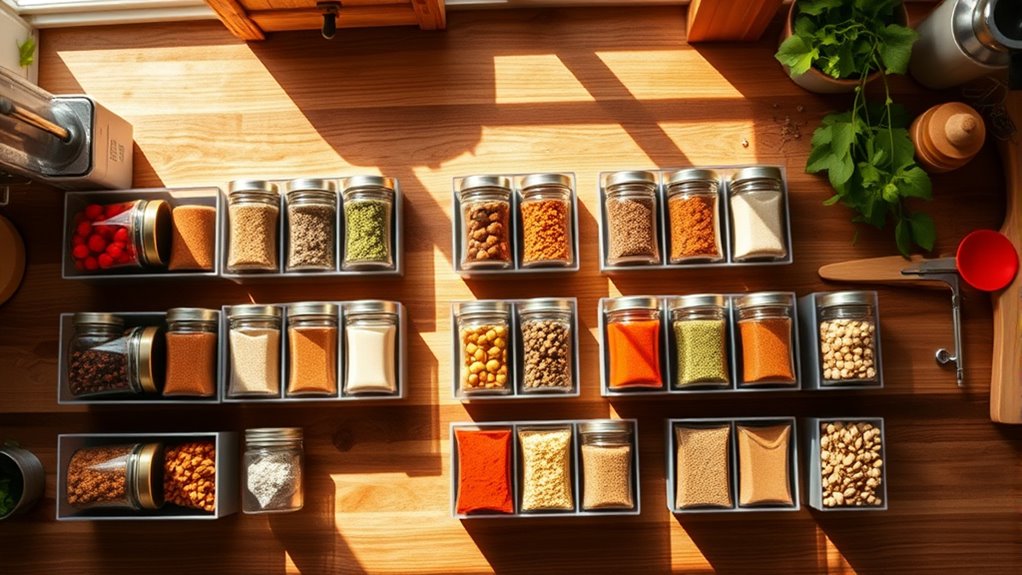
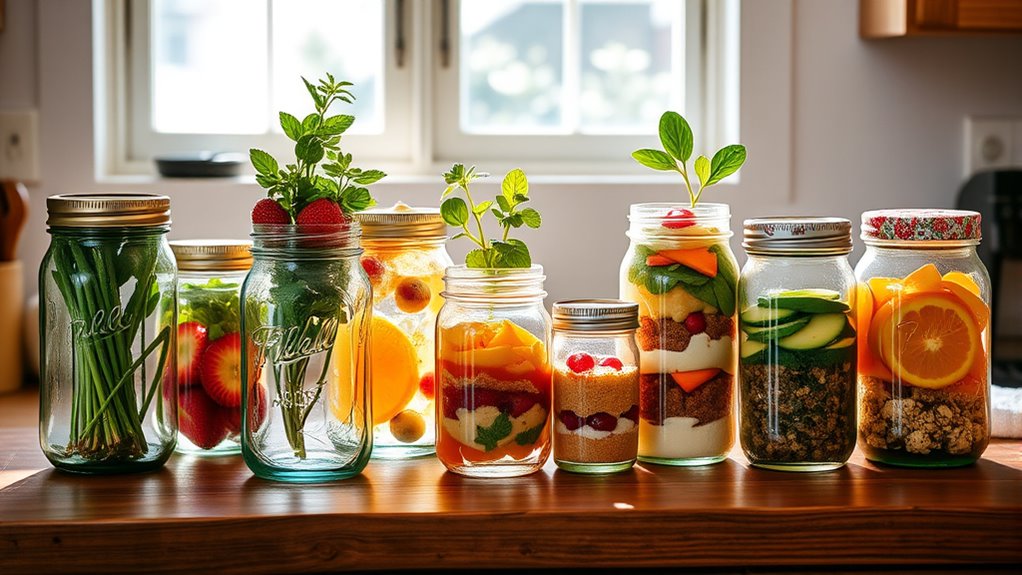
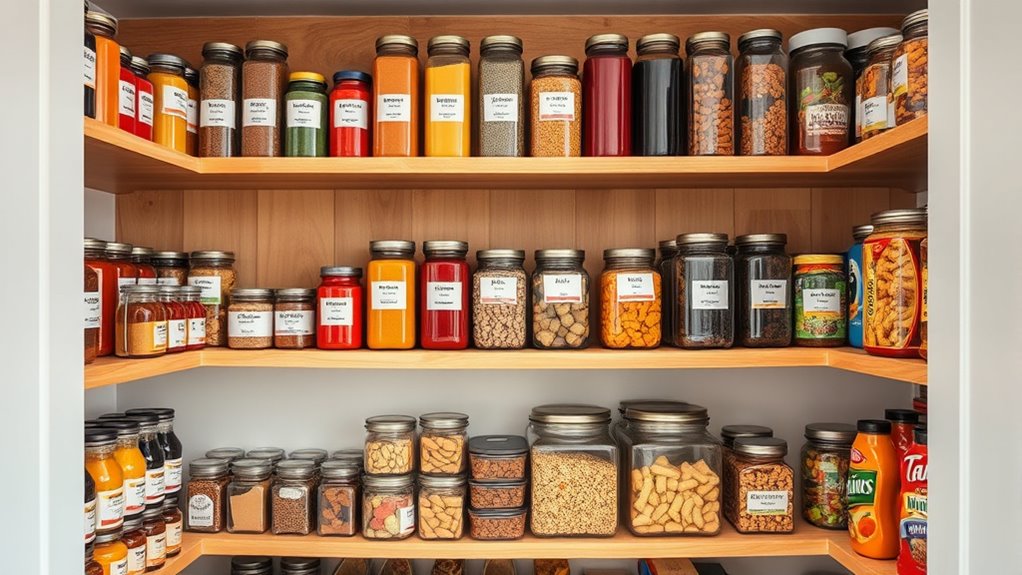
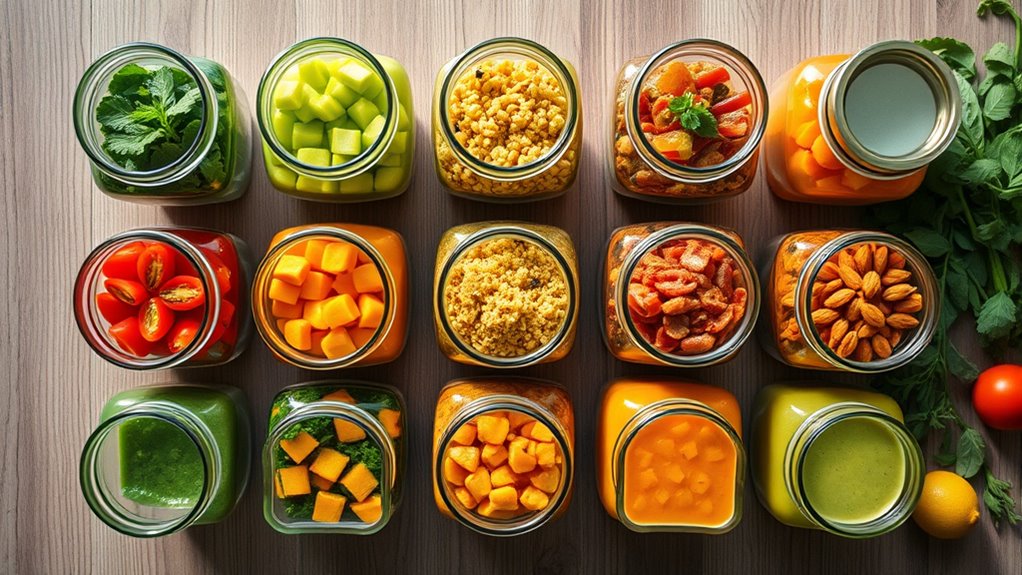
If you’re looking for a versatile and sustainable solution for food storage, mason jars are a fantastic option. These jars not only keep your food fresh but also come in various sizes, making them perfect for anything from spices to leftovers. You can easily see what’s inside, which helps minimize food waste.
Plus, they’re reusable, reducing your reliance on plastic containers. Mason jars are also great for meal prep—just fill them up with your favorite ingredients and stack them in the fridge. With a simple lid, you won’t have to worry about spills or leaks.
And if you’re into DIY, consider using them for preserves or pickling. Overall, mason jars offer a stylish, eco-friendly way to store your food.
Questions
Are Eco-Friendly Food Storage Options Safe for Freezing?
Yes, eco-friendly food storage options are safe for freezing. Think of them as sturdy shields, protecting your food while caring for the planet. Just verify they’re rated for low temperatures to maintain your food’s quality.
How Do I Clean and Maintain Glass Storage Containers?
To clean glass storage containers, warm soapy water works great. For stubborn stains, use baking soda paste. Avoid abrasive scrubbers, and let them air dry. Regular maintenance keeps them looking new and odor-free.
Can Silicone Food Bags Go in the Microwave?
Silicone food bags can go in the microwave, but you should guarantee they’re microwave-safe. Imagine steam escaping as you heat leftovers; just avoid high temperatures and direct contact with flames to keep them intact.
What Is the Lifespan of Compostable Packaging?
Compostable packaging typically breaks down in 90 to 180 days under ideal composting conditions. If you’re using it, make certain to check local composting guidelines for proper disposal to guarantee it decomposes efficiently.
Are Cloth Food Storage Bags Machine Washable?
Absolutely, cloth food storage bags are machine washable! It’s like having a superhero cape for your snacks, saving the day from messes. Just toss them in the wash, and they’ll be fresh and clean again!