Kitchen Safety Tips When Using Electric Appliances

When using electric appliances in the kitchen, always read the user manuals to understand their features and safety precautions. Keep your work area dry to prevent slips and spills. Check the appliances’ voltage and wattage against your outlet capacity to avoid overloading circuits. Regularly inspect cords and outlets for damage, and stay focused while cooking to minimize distractions. With these tips in mind, you’ll be on your way to creating a safe cooking environment! Discover more essential safety practices today.
Key Takeaways
- Read user manuals for each electric appliance to understand their specific features, safety precautions, and operational requirements.
- Keep the workspace dry and clean to prevent slips and accidents, and promptly address any spills.
- Avoid overloading outlets; understand the wattage requirements of appliances and ensure proper distribution across circuits.
- Regularly inspect cords, plugs, and outlets for damage to prevent malfunctions and ensure safety during use.
- Limit distractions when using electric appliances to stay focused and attentive, reducing the risk of cooking mishaps.
Understand Your Appliances
When you’re in the kitchen, understanding your appliances is essential for both safety and efficiency. Knowing how to operate each device reduces the risk of accidents.
Take the time to read the user manuals for your appliances; it’ll help you grasp their features and safety precautions. Pay attention to the power requirements and guarantee you’re using the correct power source to avoid short circuits. Regularly maintaining appliances not only enhances their performance but also ensures your safety by preventing breakdowns.
Familiarize yourself with the specific functions, like temperature settings and timer options, to get the most out of each appliance. If something doesn’t seem right—a strange noise or a burning smell—don’t hesitate to unplug it and investigate. Additionally, be sure to keep your cords away from heat sources and water to minimize the risk of hazards.
Keep the Work Area Dry
Though it might seem like a small detail, keeping the work area dry is crucial for kitchen safety. Moisture can lead to accidents, especially when using electric appliances. Water and electricity don’t mix, so always wipe up spills immediately. Additionally, regularly cleaning electric appliances to enhance efficiency can prevent potential hazards. Also, consider using non-slip mats in areas where water is likely to accumulate. Additionally, ensure that any cookware used with electric appliances is made of high-quality materials to prevent overheating and accidents.
| Tip | Importance | Action Items |
|---|---|---|
| Wipe spills ASAP | Prevents slips | Keep a towel nearby |
| Use non-slip mats | Reduces tripping hazards | Place mats in key areas |
Use Correct Electrical Ratings
When you’re using kitchen appliances, it’s essential to know their electrical requirements.
Make sure to check the circuit capacity to avoid overloading and potential hazards.
Staying informed helps keep your kitchen safe and functional.
Know Appliance Requirements
Understanding the electrical requirements of your kitchen appliances is essential for both safety and functionality. Each appliance has specific voltage and wattage ratings that you should adhere to. Always check the label for these ratings before you plug anything in.
Using an appliance with a higher wattage than your outlet can handle can lead to overheating or even electrical fires. Additionally, be aware of the type of appliances you’re using—some may require dedicated circuits to operate safely.
Avoid daisy-chaining multiple devices on the same outlet, as this can overload the circuit. Taking a few moments to read your appliance manuals can prevent hazardous situations and guarantee your devices function correctly over time.
Always prioritize safety in your kitchen!
Check Circuit Capacity
It’s important to confirm that your circuit capacity can handle the electrical requirements of your kitchen appliances.
Before plugging in any device, check the wattage and current ratings to make certain they align with your circuit’s capacity. Most circuits can handle 15 or 20 amps, so know your limitations.
Overloading a circuit can lead to overheating and electrical fires, making it vital to distribute your appliances properly across available circuits. Use a wattage meter if you’re unsure about your appliances’ consumption.
Additionally, avoid daisy-chaining multiple appliances on the same outlet.
By keeping these guidelines in mind, you’ll not only protect your appliances but also safeguard the safety of your home.
Always prioritize electrical safety to create a risk-free cooking environment.
Follow Manufacturer’s Instructions
When using any kitchen appliance, it’s essential to read the manual thoroughly.
Following the manufacturer’s guidelines guarantees you’re aware of important safety features and proper usage.
Ignoring these instructions could lead to accidents or damage to your equipment.
Read the Manual
Many people overlook the importance of reading the manual for their kitchen appliances, but doing so can greatly enhance safety and efficiency. Each appliance is designed with specific features, settings, and safety precautions that you need to be aware of.
By familiarizing yourself with the manufacturer’s instructions, you’ll understand how to operate your appliances properly, which prevents accidents and enhances performance. For instance, certain devices may require a specific setup or maintenance routine that’s vital for safe usage.
If you ever encounter issues, the manual often provides troubleshooting tips that can save you time and frustration. So, take a moment to read through that manual—your safety and the longevity of your appliance depend on it.
Adhere to Guidelines
To guarantee a safe cooking environment, adhering to guidelines provided by manufacturers is essential. Each electric appliance comes with specific instructions designed to facilitate peak performance and safety. Ignoring these guidelines could lead to malfunctions or even accidents.
For example, using an appliance at a voltage different from what’s recommended can damage the device or cause hazards.
Always pay attention to the safety warnings, such as avoiding contact with water and using appliances only for intended purposes. Proper maintenance, like cleaning and inspecting cords, should also align with the manufacturer’s directives. Additionally, awareness of common appliance problems can help you identify issues before they lead to dangerous situations.
Understand Safety Features
Understanding the safety features of your kitchen appliances can greatly reduce the risk of accidents in the kitchen. When using any electric appliance, it’s essential to follow the manufacturer’s instructions to guarantee you’re using the safety features effectively.
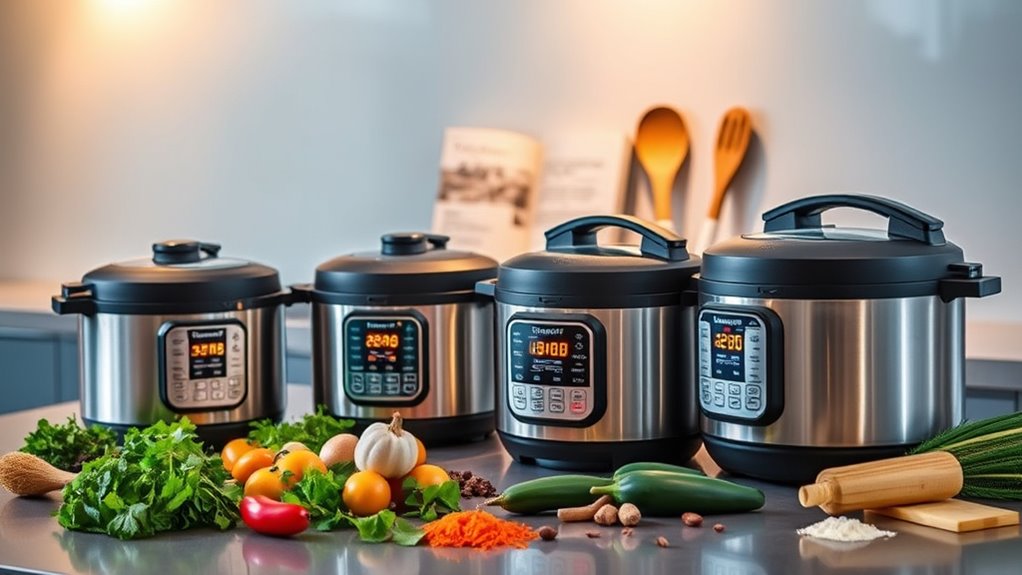
For instance, familiarize yourself with automatic shut-off functions that prevent overheating, or built-in timers that can help avoid overcooking. Don’t forget about safety locks on blenders or pressure cookers; these features are designed to protect you from potentially hazardous situations.
Check the appliance’s manual for specific safety guidelines and maintenance tips to keep everything running smoothly. By knowing these features, you’ll not only enhance your cooking experience but also create a safer environment for you and your loved ones.
Avoid Overloading Circuits
Overloading circuits is a common mistake that can lead to costly repairs and safety hazards.
To keep your kitchen safe, it’s essential to manage your electrical usage wisely. Here are three tips to help you avoid overloading:
- Know Your Limits: Determine the amperage rating of your circuits and distribute your appliances accordingly, ensuring you don’t exceed the limit.
- Avoid Multiple High-Wattage Appliances: Don’t plug several high-wattage devices, like microwaves or toasters, into the same outlet or power strip.
- Use Power Strips Wisely: Invest in a power strip with a circuit breaker, but remember it shouldn’t be your go-to for heavy-duty appliances.
Regular Maintenance and Inspection

Although it might seem tedious, regular maintenance and inspection of your kitchen appliances and electrical systems are essential for guaranteeing safety and efficiency.
Start by checking cords and plugs for damage; frayed wires can pose serious hazards. Make it a habit to clean your appliances, as built-up grime can cause malfunctions, leading to cooling issues that may require attention.
Regularly inspect appliance cords and plugs for wear, and keep them clean to prevent dangerous malfunctions.
Inspect your outlets and verify they’re not discolored or warm to the touch, as this could indicate a problem. For heavy-duty appliances, consider scheduling professional inspections annually.
Don’t forget to confirm that your smoke and carbon monoxide detectors are functioning properly. Additionally, incorporating smart plugs can further enhance safety by allowing you to monitor appliance usage and schedules remotely.
Stay Alert and Avoid Distractions
Here are three tips to help you concentrate:
- Limit Noise: Turn off the TV or music. A quiet environment allows you to hear alarms and frying sounds, which is essential for safety. Additionally, maintaining a calm space can enhance your ability to utilize kitchen tools effectively and avoid accidents, especially with essential kitchen tools.
- Don’t Multitask: Focus on one task at a time, whether it’s chopping vegetables or stirring a pot. Juggling chores can cause you to overlook safety risks.
- Prepare Ingredients in Advance: Gather all items before starting. This minimizes time spent away from the stove and keeps your attention on cooking. Incorporating time-saving kitchen gadgets can also help streamline your cooking process, allowing you to focus better on safety.
Questions
What Should I Do in Case of an Electrical Fire in the Kitchen?
If you face an electrical fire in the kitchen, don’t panic. Turn off the power, smother flames with a towel or baking soda, and evacuate if necessary. Call emergency services, as safety comes first.
How Can I Child-Proof My Kitchen Appliances?
You can child-proof your kitchen appliances by using safety locks, placing appliance cords out of reach, and adhering to safety stickers. Regularly educate kids about the dangers, ensuring they understand what’s safe and what’s not.
Are There Safety Tips Specific to Using Microwaves?
Yes, always use microwave-safe containers, avoid metals, and cover food to prevent splatters. Keep it clean, watch cooking times, and be cautious of steam when opening. Don’t forget to supervise children around microwaves!
Can I Use Extension Cords With Electric Kitchen Appliances?
You shouldn’t use extension cords with electric kitchen appliances. They can cause overheating and pose a fire hazard. It’s best to plug appliances directly into wall outlets for safety and ideal performance.
What Should I Do if an Appliance Sparks or Smokes?
If an appliance sparks or smokes, unplug it immediately and keep your distance. Don’t use water to extinguish any flames. Contact a professional for further inspection or repairs to guarantee safety before using it again.