How to Clean and Maintain Your Grill

To clean and maintain your grill, start by disconnecting the fuel source and letting it cool. Remove the grates and soak them in soapy water. Scrub off residue with a grill brush. Check burner tubes for clogs and wipe down the interior and exterior surfaces. Different grills have unique needs, like gas checks or charcoal ash removals, so keep those in mind. If you want more tips on troubleshooting and seasonal maintenance, keep going!
Key Takeaways
- Regularly disconnect the fuel source and ensure the grill is cool before cleaning to prevent accidents.
- Soak grates in warm, soapy water and scrub with a grill brush for effective residue removal.
- Check and clean burner tubes to prevent clogs, ensuring even heating and safe operation.
- Inspect and maintain specific grill types, such as gas leaks for gas grills or ash removal for charcoal grills.
- Conduct seasonal checks and deep cleaning to enhance the grill’s lifespan and performance throughout the year.
Essential Tools for Grill Cleaning
Cleaning your grill isn’t just a chore; it’s the secret to ensuring delicious meals and a long-lasting cooking tool. To make this task easier, you’ll need a few essential tools.
Cleaning your grill is vital for tasty meals and a durable cooking tool, so gather essential tools to make the task simple.
First, a high-quality grill brush is a must. Look for one with sturdy bristles to easily remove grease and grime.
Next, don’t forget the scrapers, which help tackle stubborn residue. A putty knife can also be handy for scraping off tougher spots.
Additionally, consider investing in a bucket for soapy water and a sponge for an overall deep clean. Finally, gloves will protect your hands from dirt and heat.
With these tools at your side, keeping your grill in top shape will be a breeze!
Step-by-Step Cleaning Process
While it might seem intimidating, following a simple step-by-step cleaning process can make your grill shine like new. Start by disconnecting the fuel source and letting the grill cool. Next, remove the grates and soak them in warm, soapy water. Use a grill brush to scrub away any residue. For the burner tubes, check for clogs with a soft brush. Clean the interior and exterior surfaces with a damp cloth. Don’t forget to rinse the grates thoroughly and dry them completely before reassembling. Regular maintenance is crucial to extend the life of your grill.
| Step | Action |
|---|---|
| 1 | Disconnect fuel source |
| 2 | Remove and soak grates |
| 3 | Scrub with a grill brush |
| 4 | Clean inside and outside |
Special Considerations for Different Grill Types
Different grill types require specific care and attention to ascertain they perform at their best.
Each grill type demands unique maintenance to ensure optimal performance and longevity.
Whether you own a gas, charcoal, electric, or portable grill, understanding how to maintain them can enhance their lifespan and cooking efficiency. Here are some special considerations:
- Gas Grills: Regularly check for gas leaks and clean burners to prevent flare-ups.
- Charcoal Grills: Remove ashes after every use to maintain airflow and prevent rust.
- Electric Grills: Keep the heating element clean and avoid exposing cords to moisture.
- Portable Grills: Ensure proper cooling before transport and clean any residue promptly to prevent odors. Additionally, following maintenance and safety tips can significantly contribute to your grill’s longevity and performance.
Seasonal Maintenance Tips
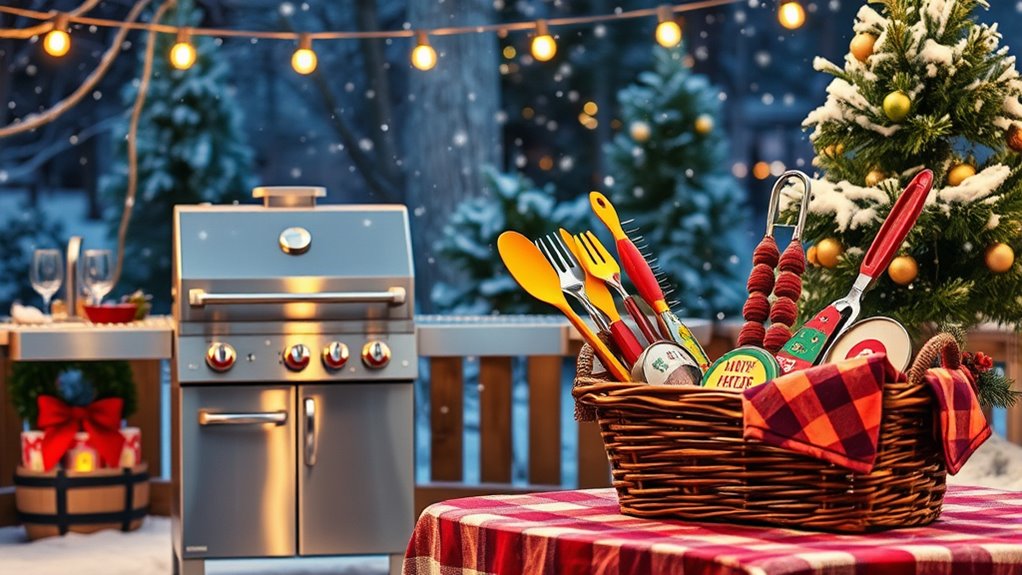
To keep your grill in top shape throughout the year, it’s important to adapt your maintenance routine with the changing seasons. In spring, give it a thorough cleaning to prepare for grilling season. Summer calls for frequent checks on the fuel levels and cleaning after each use. For fall, inspect for rust and cover it to protect against rain. In winter, if you’re in a cold climate, store your grill indoors or use a heavy cover.
Here’s a quick reference table for seasonal tasks:
| Season | Maintenance Task |
|---|---|
| Spring | Deep clean and inspect parts |
| Summer | Check fuel levels and clean |
| Fall | Inspect for rust and cover |
| Winter | Store indoors or cover securely |
| Year-Round | Regular cleaning after use |
Troubleshooting Common Grill Issues

When your grill isn’t performing as expected, it can be frustrating, but many issues are easy to troubleshoot.
Start by checking the basics to guarantee a smooth grilling experience:
- Ignition Problems: If the burner won’t light, verify the gas is connected and the igniter is clean.
- Uneven Heating: If some areas are hotter, check for clogged burners or adjust the flame settings.
- Excessive Smoke: If you notice too much smoke, clean the grease traps and ascertain the grill is properly ventilated.
- Flare-Ups: Reduce flare-ups by trimming excess fat from meats and keeping a spray bottle of water handy.
Additionally, remember to minimize risks by being cautious when cooking outdoors as it ensures not only great grilling results but also enhances your safety while preparing meals.
Questions
How Often Should I Clean My Grill?
You should clean your grill after every use, but don’t stop there. A deeper clean every few months is essential too. To maintain flavor and performance, don’t overlook those hidden crevices that hold onto grease.
Can I Use Wire Brushes on All Grill Types?
You shouldn’t use wire brushes on ceramic or non-stick grills since they can scratch the surface. For stainless steel or cast iron, a wire brush is usually fine, but always check your manufacturer’s recommendations first.
What Cleaning Products Are Safe for Grill Surfaces?
Imagine your grill as a beloved treasure. For its care, stick to mild soap, vinegar, or baking soda. They’re gentle guardians, keeping your cooking haven clean and safe without risking damage. You’ll love the results!
Should I Cover My Grill When Not in Use?
Yes, you should cover your grill when it’s not in use. A good cover protects it from the elements, preventing rust, dirt, and debris buildup, ensuring it stays in great condition for your next barbecue.
How Do I Store My Grill During Winter?
When winter’s chill arrives, tuck your grill away in a snug, dry space. If that’s not possible, cover it well with a waterproof tarp, ensuring it’s safe from snow and ice, ready for warmer days.